In brief
Recent warnings from health professionals highlight the potential risks related to the improper use of menstrual cups, following a case of a woman developing temporary kidney issues due to misalignment. Experts stress on the necessity of selecting the right size and proper insertion technique to mitigate adverse effects on urinary health.
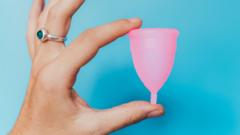
Menstrual cups, a popular reusable option for managing menstrual flow, have come under scrutiny following a case where a woman in her 30s faced temporary kidney problems due to an ill-placed cup. The patient experienced intermittent pelvic pain and blood in her urine over several months, without connecting her symptoms to the cup, which is designed to collect menstrual blood. Danish doctors, as cited in the British Medical Journal, noted that while such occurrences are rare, a misaligned cup could exert pressure on the ureters—tubes responsible for transporting urine to the bladder. To avoid negative health impacts, medical professionals stress the importance of correctly positioning the menstrual cup and choosing the appropriate size. While these cups can be purchased without professional guidance, the need for clear instructional materials is crucial to ensure safe usage. Menstrual cups are made from flexible materials such as silicone or rubber and can typically hold between 20 to 30ml of blood, allowing for removal and cleaning every four to eight hours, depending on flow levels.Especially for younger individuals or those who have not given birth, smaller-sized cups are available. Despite their benefits, first-time users often find the removal process challenging. A survey, focusing on 530 young individuals, revealed that many struggled with their first attempt at using the cup. Experts like physiotherapist Dr. Kate Lough suggest that users should not yank the cup's stem, but instead, gently squeeze the base to break the suction seal. With practice, many women will find the correct technique over a few cycles. Dr. Lough reassures that when inserted correctly, menstrual cups should not cause discomfort. Variations in shape, size, and firmness exist among different cup models, and it’s advisable to explore different options to find the right match. Women with recently inserted contraceptive coils should exercise caution, as there’s a minor risk of the coil being dislodged during cup removal. In case of any issues or uncertainties regarding contraceptive devices, seeking medical advice is recommended. Additionally, menstrual discs, similar to cups but positioned higher in the vaginal canal, offer an alternative for users seeking different options.