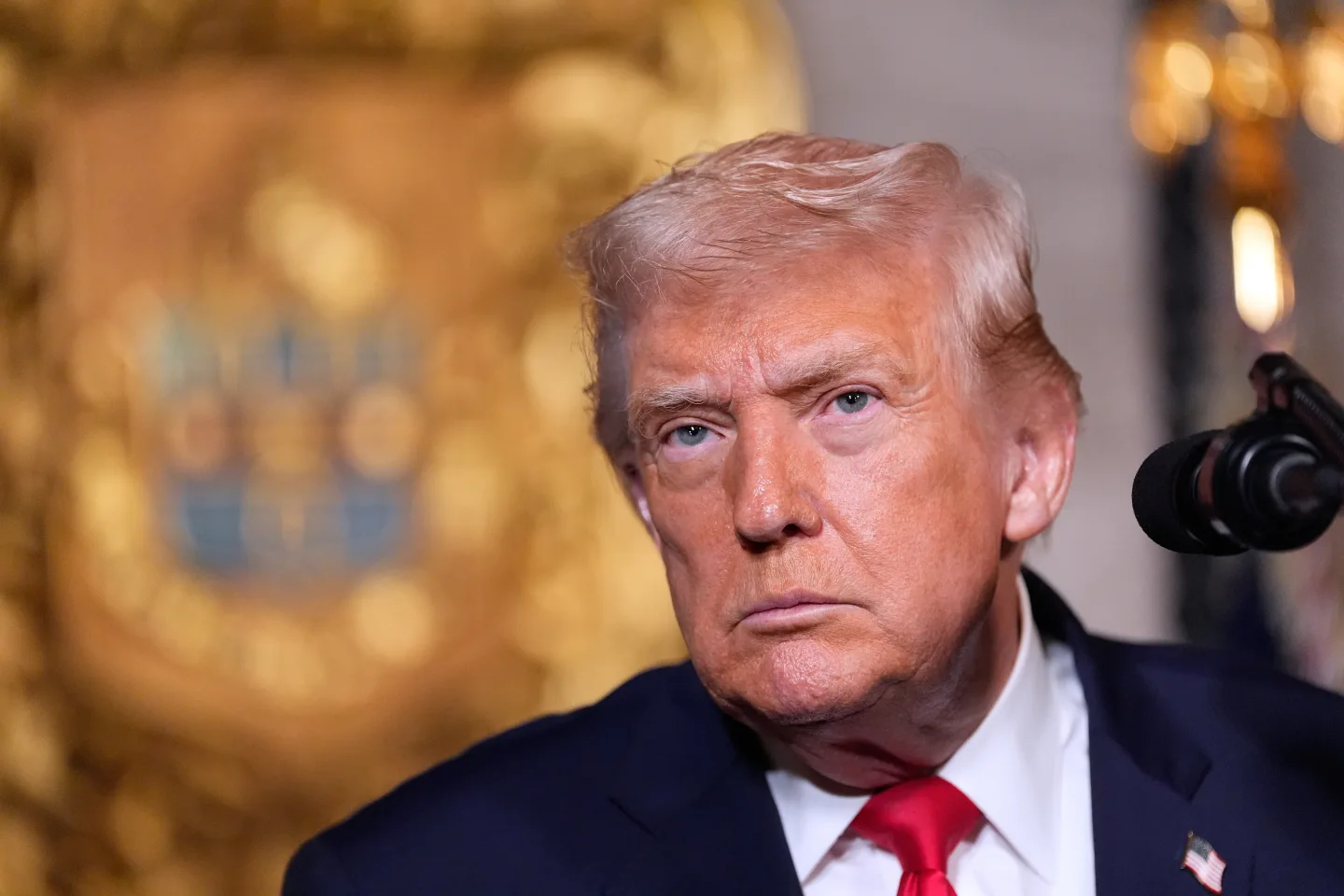
Hundreds of South Sudanese nationals residing legally in the United States could find themselves facing deportation if a federal judge rules in favor of President Donald Trump's recent decision to revoke temporary protected status (TPS). The matter, which was deliberated on Tuesday, reveals a broader legal and moral debate about the treatment of immigrants during crises.
Currently, approximately 300 individuals benefit from TPS, which was designed to protect immigrants from countries experiencing conflict or natural disasters. This status allows them to live and work in the U.S. without the fear of deportation. The Trump administration's proposed termination of TPS for South Sudanans is set to take effect on January 6, 2026, placing them in a precarious position.
Civil rights groups have responded vigorously, filing a lawsuit asserting that the revocation is not only unconstitutional but is also intended to reduce the number of non-white immigrants in the U.S. U.S. District Judge Angel Kelley acknowledged the potential irreversible harm this could have on East African migrants during her temporary ruling, which currently prevents the federal government from proceeding with deportations.
The Department of Homeland Security (DHS) has criticized this judicial decision and the claims made by civil rights advocates, arguing that the withdrawal of TPS is justified due to alleged improvements in South Sudan's stability. However, conflicting reports highlight ongoing challenges, including widespread hunger and instability within the nation, raising questions about the safety of returning immigrants.
Dorian Spence, a coordinator for one of the groups challenging the revocation, called into question the integrity of the comparison between the views of the DHS and the perspectives offered by the State Department regarding travel safety to South Sudan. Spence indicated this situation reflects a broader push by the Trump administration to skew immigration policy towards favoring individuals of certain demographics.
As the legal battle unfolds, it emphasizes the complexities and tensions surrounding immigration policies and the humanitarian considerations that impact vulnerable populations. The outcome of this ruling will not only affect the immediate future of South Sudanese immigrants but also set a precedent for TPS in other national contexts.
Currently, approximately 300 individuals benefit from TPS, which was designed to protect immigrants from countries experiencing conflict or natural disasters. This status allows them to live and work in the U.S. without the fear of deportation. The Trump administration's proposed termination of TPS for South Sudanans is set to take effect on January 6, 2026, placing them in a precarious position.
Civil rights groups have responded vigorously, filing a lawsuit asserting that the revocation is not only unconstitutional but is also intended to reduce the number of non-white immigrants in the U.S. U.S. District Judge Angel Kelley acknowledged the potential irreversible harm this could have on East African migrants during her temporary ruling, which currently prevents the federal government from proceeding with deportations.
The Department of Homeland Security (DHS) has criticized this judicial decision and the claims made by civil rights advocates, arguing that the withdrawal of TPS is justified due to alleged improvements in South Sudan's stability. However, conflicting reports highlight ongoing challenges, including widespread hunger and instability within the nation, raising questions about the safety of returning immigrants.
Dorian Spence, a coordinator for one of the groups challenging the revocation, called into question the integrity of the comparison between the views of the DHS and the perspectives offered by the State Department regarding travel safety to South Sudan. Spence indicated this situation reflects a broader push by the Trump administration to skew immigration policy towards favoring individuals of certain demographics.
As the legal battle unfolds, it emphasizes the complexities and tensions surrounding immigration policies and the humanitarian considerations that impact vulnerable populations. The outcome of this ruling will not only affect the immediate future of South Sudanese immigrants but also set a precedent for TPS in other national contexts.