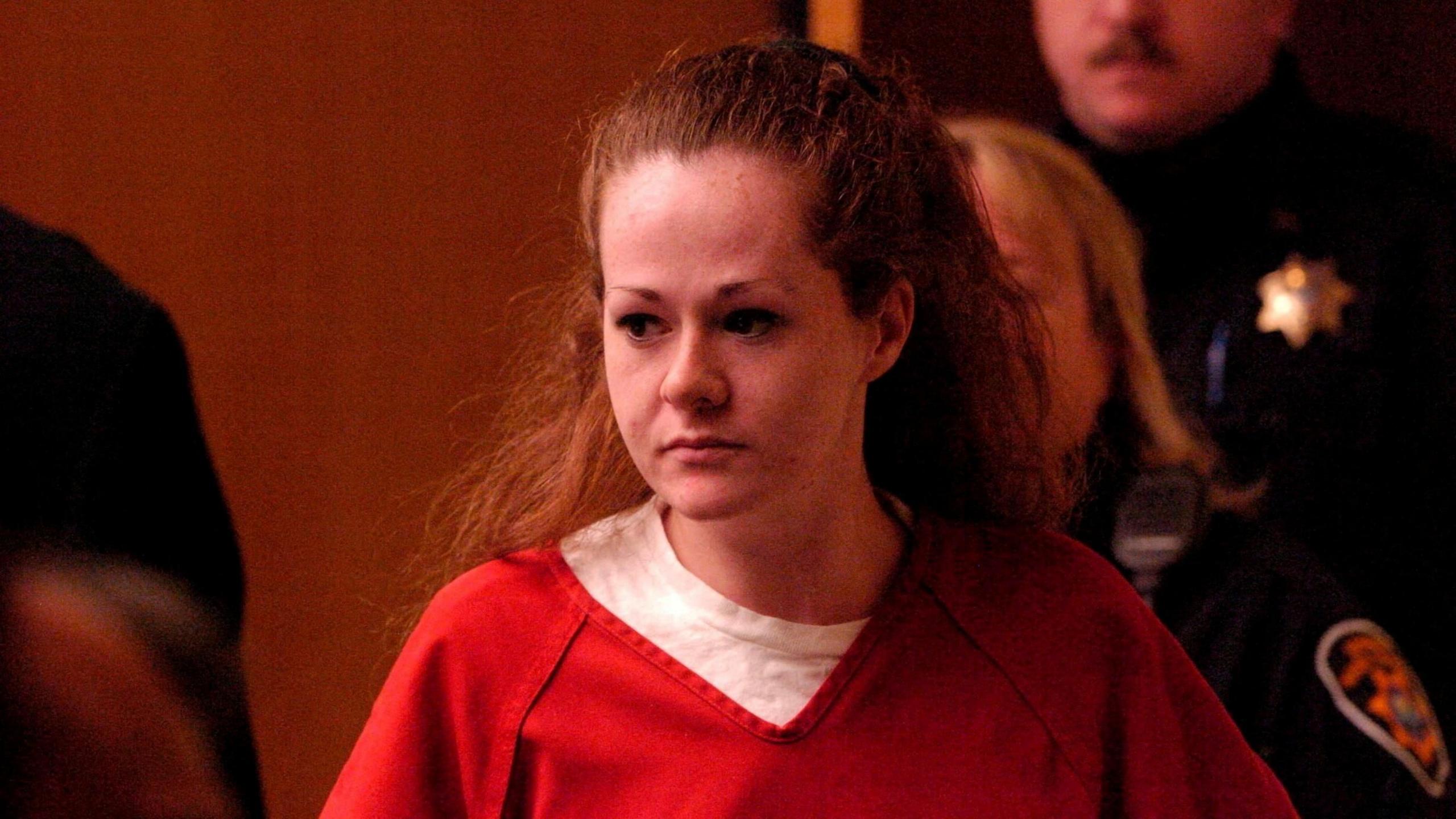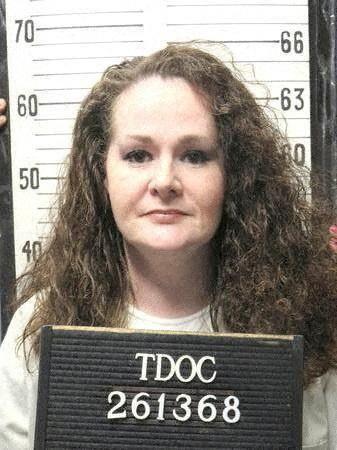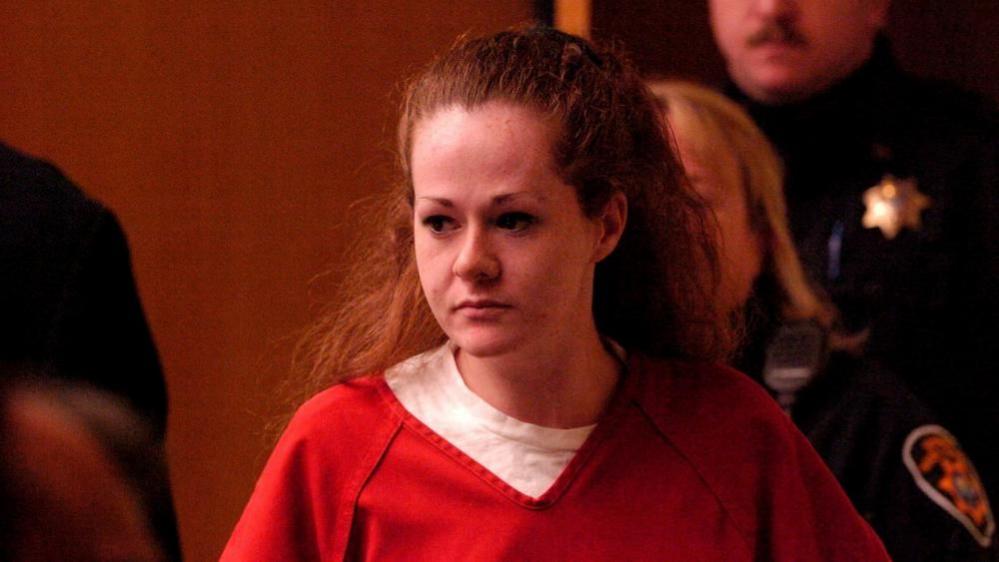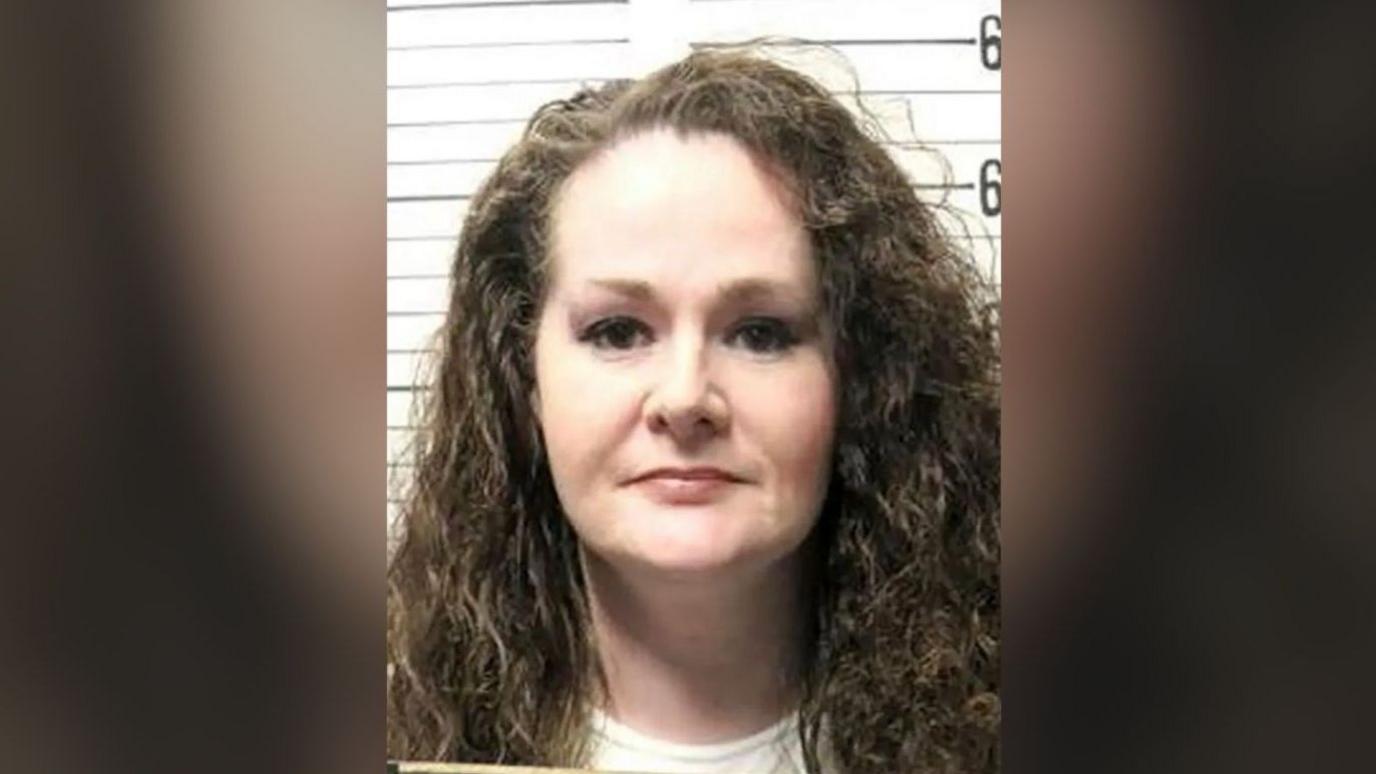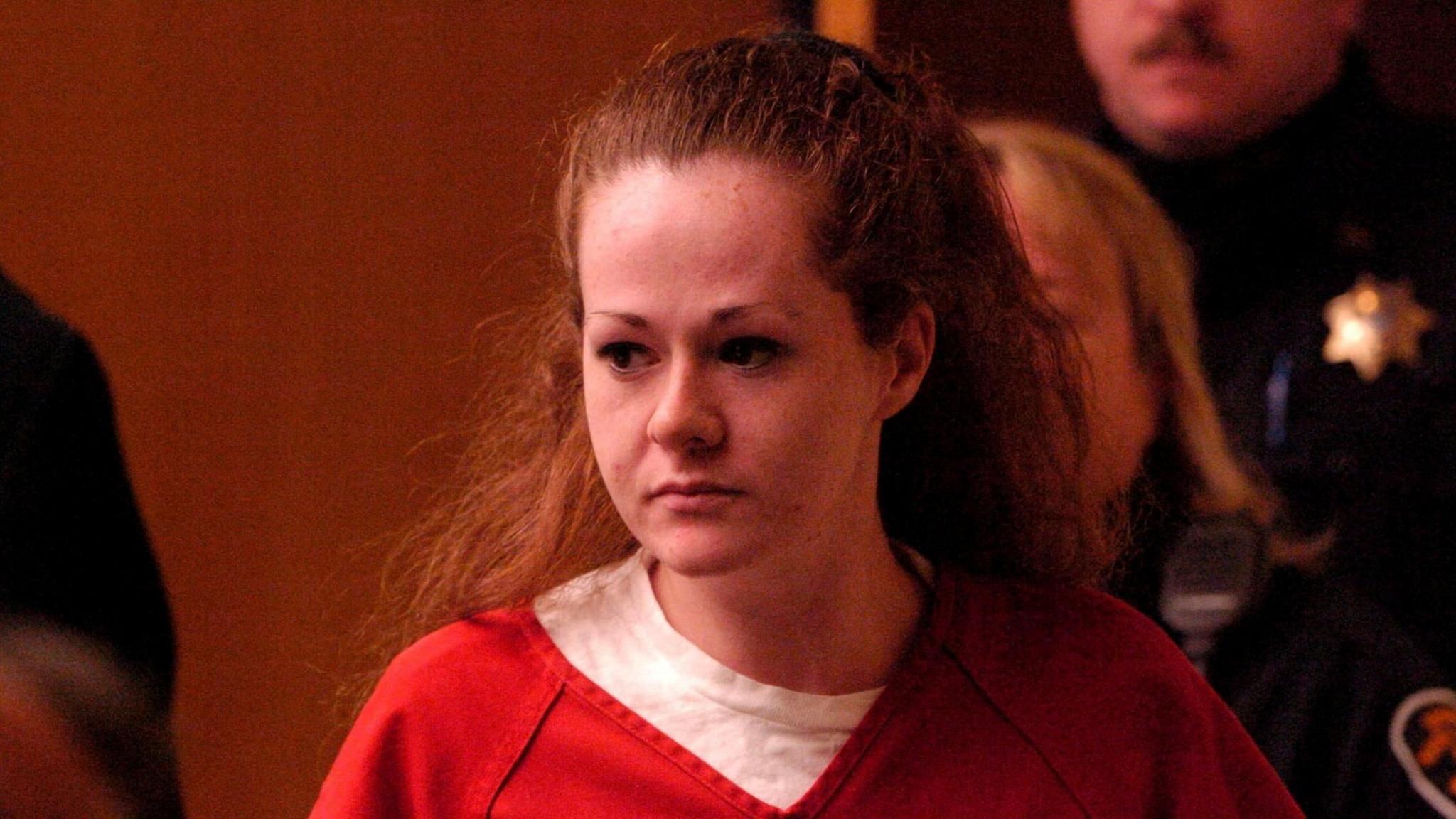
Christa Pike, a 50-year-old death row inmate in Tennessee, has been discharged from hospital after a botched execution attempt on 30 September.
The inmate, who has spent the last three decades on death row, was subjected to two lethal injections of pentobarbital. Instead of ending her life, the drug failed, leaving her in critical condition and ultimately unconscious for several days.
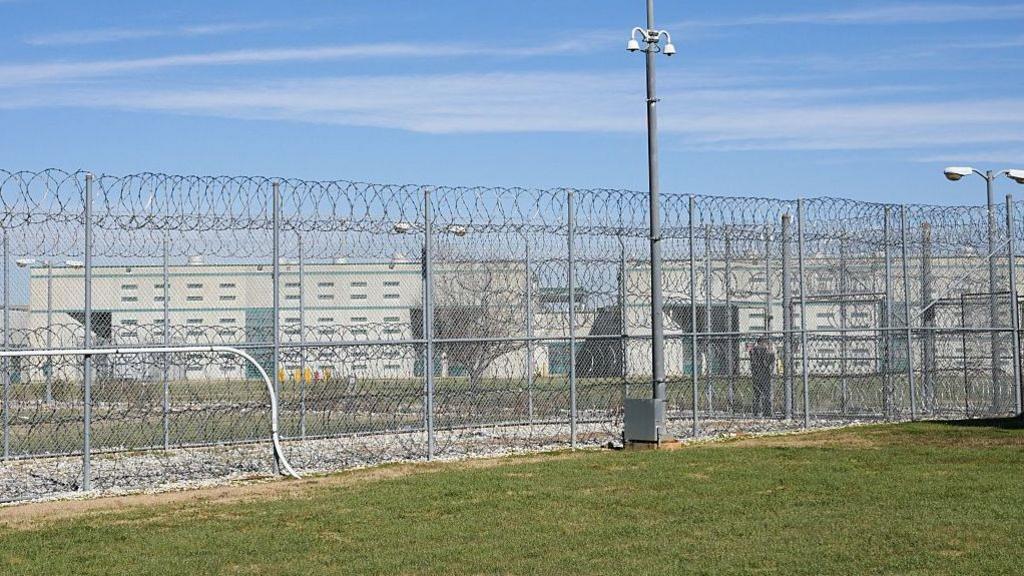
Pike regained consciousness on 9 October, spoke to the medical team, and was later escorted back to Riverbend Maximum Security in Memphis. Her lawyers have said she is receiving ongoing medical care and have expressed gratitude for the responders and hospital staff.
This incident marks the first known survival of an execution in the United States. Courts have yet to decide if Pike will be retried or if the state may seek a different execution method. Judges have ordered preservation of all evidence related to the failed injections, a move that could pave the way for future lawsuits against the state.
Pike’s case began when she and boyfriend Tadaryl Shipp, 18 at that time, brutally murdered 19-year-old Colleen Slemmer on 14 March 1993. Both were convicted, but Shipp, being a minor, avoided the death penalty. Pike was the first woman scheduled for execution in Tennessee in more than two hundred years.
After the failed attempt, her legal team renewed calls for a commutation to life imprisonment without parole. Tennessee Governor Bill Lee and the U.S. Supreme Court did not block the execution prior to the 30 September date.
As Pike recovers—she faces pneumonia, swelling, and difficulties swallowing—lawyers emphasize the unforeseen toll on her mental and physical health. The broader debate around the death penalty’s fairness, methods, and human rights implications gains another spotlight with this unprecedented survival.