In brief
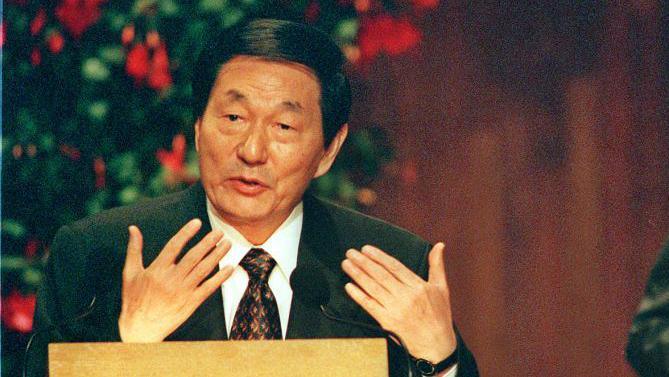
Former Chinese Premier Zhu Rongji, who steered China into the World Trade Organization and opened its factories to global markets, has died at 97. Recognised as a tough, pragmatic reformer, he moved tax powers to the central government, privatised state firms and promoted home ownership. While his policies sparked rapid growth, they also triggered massive layoffs and widened inequality. China’s state media hail him as a revolutionary, struggle, brilliance leader whose legacy will shape the country’s economic future.
Former Premier Zhu Rongji, the key architect behind China’s meteoric rise into global trade, died today at the age of 97.
During his tenure from 1998 to 2003, Zhu negotiated China’s entry into the World Trade Organization, opened state factories to foreign investors and promoted home‑ownership, laying the groundwork for the country’s current status as a manufacturing powerhouse.
He was celebrated for his decisive reforms that shifted local tax powers to the central government, closed or privatised state firms and combated official corruption. Under his leadership, China maintained double‑digit growth, but the reforms also led to 30 million layoffs over five years and increased inequality.
China’s state media have described his life as “revolution, struggle and brilliance,” and his death is a moment of national mourning, marking the end of an era of economic transformation.