In brief
China arrested 54‑year‑old US citizen Chen Youlin, a seismologist who monitors nuclear tests, on espionage charges that his family asserts are unfounded. He was detained in November 2024 while visiting Beijing and has been denied legal representation for nearly a year. US Senator Edward Markey and advocacy groups urge China to free Chen, citing concerns over his medical needs and the broader impact on U.S.‑China scientific collaboration. The case echoes prior detentions of U.S. scholars in China, including Min Zin, further fueling diplomatic frictions.
China detains US seismologist Chen Youlin on espionage charges, sparking calls for his release.
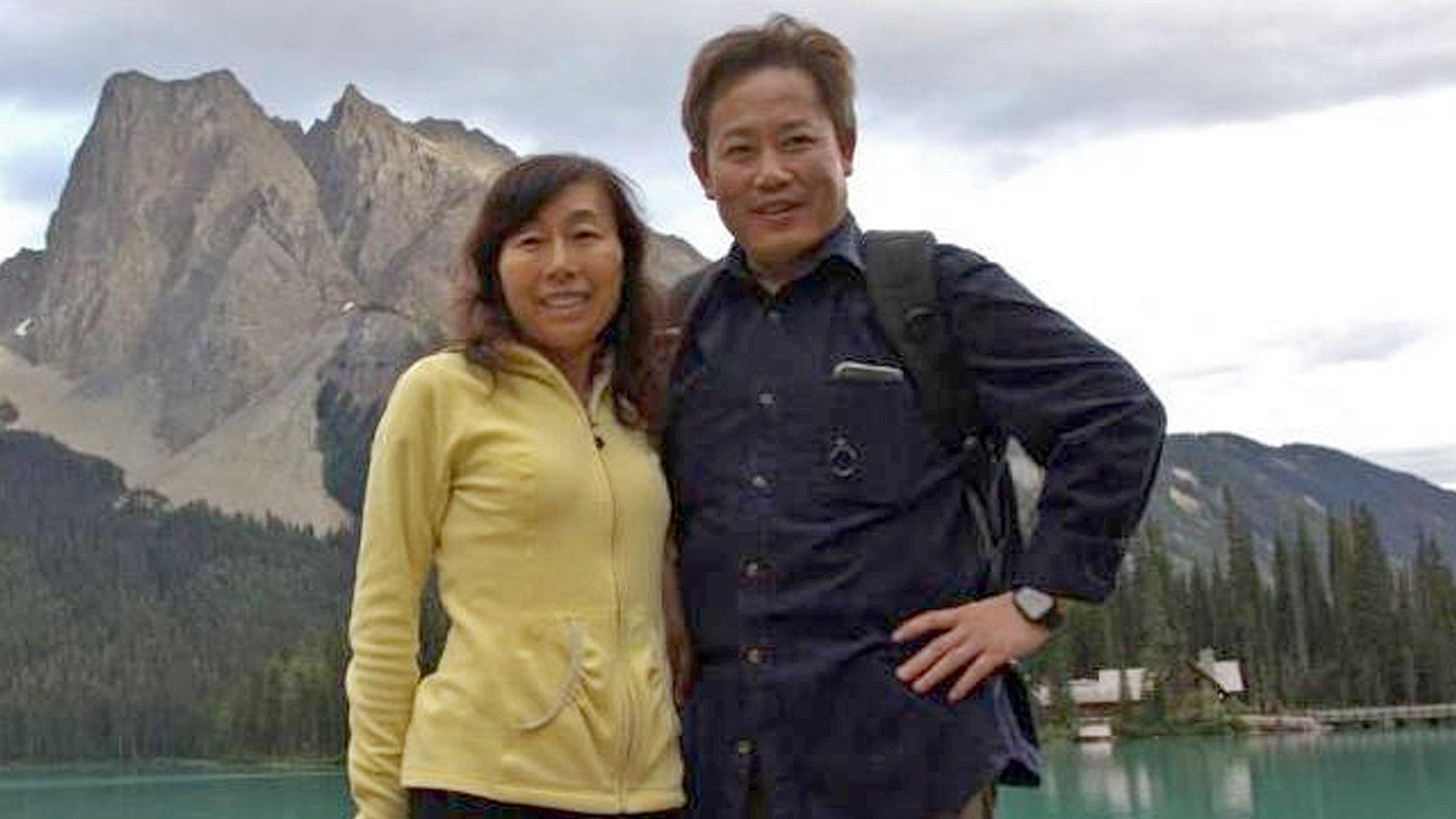
Chen Youlin, a 54‑year‑old Chinese‑born American who specializes in seismology to detect nuclear tests, was arrested in November 2024 while in Beijing visiting family. His wife, fellow seismologist Rong Yufang, says the allegations that Chen cooperated with Chinese intelligence are wrong and inconsistent with his publicly collaborative work.
U.S. officials have called into question the legality of his detention. Senator Edward Markey urged China to release Chen, noting that the U.S. has a voluntary moratorium on nuclear tests and that the detention undermines bilateral scientific cooperation.
Government sources say Chinese authorities are investigating Chen for espionage and that the case could affect future academic exchanges. The Chinese foreign ministry noted that judicial procedures are being followed and that “there is no such thing as wrongful detention.”
The detention comes a month after China arrested another U.S. scholar, Min Zin, the director of a Myanmar‑focused think‑tank, who is also accused of spying. Both cases highlight growing scrutiny of U.S. academics in China, raising concerns over policy, security, and scholarly freedoms.
Chen’s medical condition—diabetes, high blood pressure and high cholesterol—has also been cited by the Foley Foundation, which argues that his health needs cannot be met in detention. They stress the urgent need for legal counsel and medical care to ensure he is not unjustly subjected to severe penalties.
On a global scale, this incident underscores tensions over nuclear test monitoring and the broader implications for the Comprehensive Nuclear Test Ban Treaty. Analysts suggest that China’s secretive tests, if true, could threaten the enforcement of international non‑proliferation regimes and provoke retaliatory measures from the United States and its allies.
As U.S. diplomatic pressure mounts, the United Nations and other international bodies have called for a review of Chen’s case, arguing that the detention violates principles of due process and could set an alarming precedent for the treatment of foreign scholars in China.