In brief
In a shocking revelation, a BBC Eye investigation has uncovered that THQ Taunsa Hospital in Punjab, Pakistan, continued to reuse syringes months after a child HIV outbreak was linked to its practices. The report details several instances observed during undercover filming where medical staff potentially exposed children to contamination through unsafe injection practices. The implicated hospital, initially condemned for its actions, now faces scrutiny for the ongoing health risks it poses to the community, which has seen 331 children test positive for HIV since late 2024.
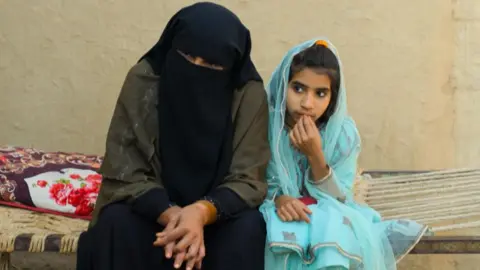
Mohammed Amin was just eight years old when he was diagnosed with HIV, soon succumbing to his illness. His family believes he contracted the virus from reused syringes during medical treatment at THQ Taunsa hospital in Punjab, Pakistan, where a widespread healthcare scandal is taking shape. Following the rise of HIV cases among children in the region, a recent investigation by BBC Eye uncovered alarming data, revealing that unsafe practices persisted even after the hospital was placed under scrutiny. In late 2025, undercover footage showed syringes being reused on multiple occasions on different children, raising the specter of further viral transmission.This deeply troubling situation is highlighted by the experiences of Mohammed's sister, Asma, who also tested positive for HIV shortly after her brother. They are two among the 331 children identified in the region linked to the outbreak. Local health authorities have had a patchy response, promising improvements while staff members, including doctors, have continued to violate basic medical protocols.Despite the hospital's claims of a crackdown, the hidden camera footage reveals the stark reality: medical personnel regularly ignored basic hygiene practices, reusing syringes without sterilization or adequate sanitary precautions. Even as the province's health officials acknowledged the outbreak triggered by syringe reuse, the hospital’s management and some local government representatives have dismissed and downplayed the investigation’s findings.In stark contrast, multiple experts have cautioned that the practices observed not only risk immediate health dangers to young patients but underscore systemic failures in infection control training within hospitals across Pakistan. They emphasize that the cultural habit of opting for injections as treatment contributes significantly to this ongoing risk.The shocking stories etched on the memories of parents now struggling with the grief of losing children or watching them fight for their lives paints a harrowing picture of public health in Pakistan, as systemic failures threaten to expose more children to the HIV virus in a situation that could have been prevented.