In brief
A chaotic immigration raid in Chicago resulted in widespread panic among children and families. Witness accounts detail the trauma experienced as federal agents used tear gas in a historically Hispanic neighborhood. Parents and educators now face the challenging task of explaining the events to young children, balancing safety and the preservation of childhood innocence. The incident has raised concerns about the safety of immigrant families and the long-term psychological impacts on children.
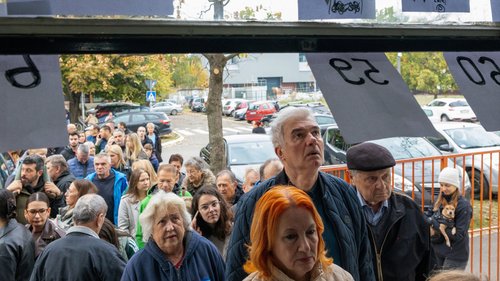
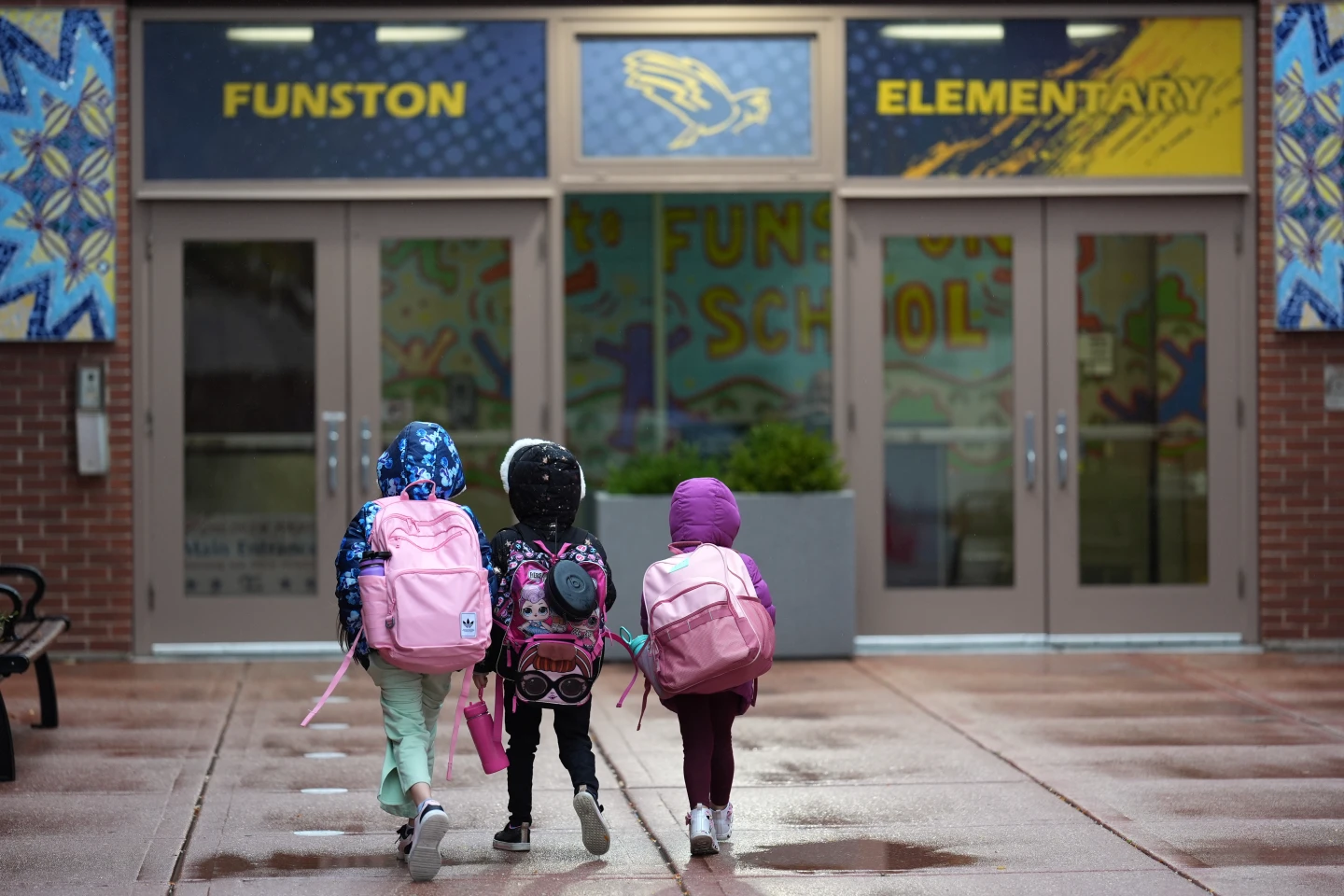
CHICAGO (FlashPoint) — A two-year-old boy stands trembling in fear, repeating, “Mommy, mommy, mommy,” as panic envelops the neighborhood during an immigration raid. Parents rush to the scene after learning about the chaos that engulfed Funston Elementary School on a warm October Friday.
The aftermath left children grappling with anxiety and confusion about the terrifying scenes they witnessed. The incident, part of a broader crackdown on immigration under President Trump, has triggered difficult discussions among parents, teachers, and caregivers about how to communicate the events to children without stripping away their innocence.
Outside Funston Elementary, kids were playing when an SUV arrived, buzzed by federal agents. Suddenly, tear gas canisters were launched, sparking chaos. Familiar streets turned into sites of fear, as some adults screamed at agents and others fled to safety. In a nearby café, children huddled as caregivers scrambled to protect them.
"I don’t know how to explain this to my kids,” said Molly Kucich, a mother whose son now worries about his caretaker being taken away by authorities. This alarm isn't limited to families without legal status; many community members feel vulnerable regardless of their backgrounds.
Teachers like Liza Oliva-Perez, caught in the middle of the action, recalled seeing a masked agent throw tear gas while feeling the desperate need to protect their students without alarming them. The incident highlighted larger issues within the community, where fear and trauma run deep, even bordering on existential dread for immigrant families.
As the dust settles from this traumatic day, community leaders and educators are now tasked with aiding children in processing their experiences. Special sessions with therapists are in motion to address the psychological scars left behind.