In brief
A draft petition with more than 70,000 signatures calls for the removal of U.S. Ambassador Pete Hoekstra from Ottawa, citing repeated interference in Canadian politics and support for former President Trump’s controversial rhetoric. Hoekstra, a prominent Republican ally of Trump, has repeatedly made headlines in Canada for his public statements about Canada becoming the “51st state” and for inviting a Freedom Convoy figure to a U.S. Fourth of July celebration. The U.S. Embassy has acknowledged the petition but declined to comment further. Meanwhile, Canada and the United States are engaged in intense trade talks to avoid anticipated tariffs on Canadian goods. The petition is poised to be brought before Parliament, where it will require a government response.
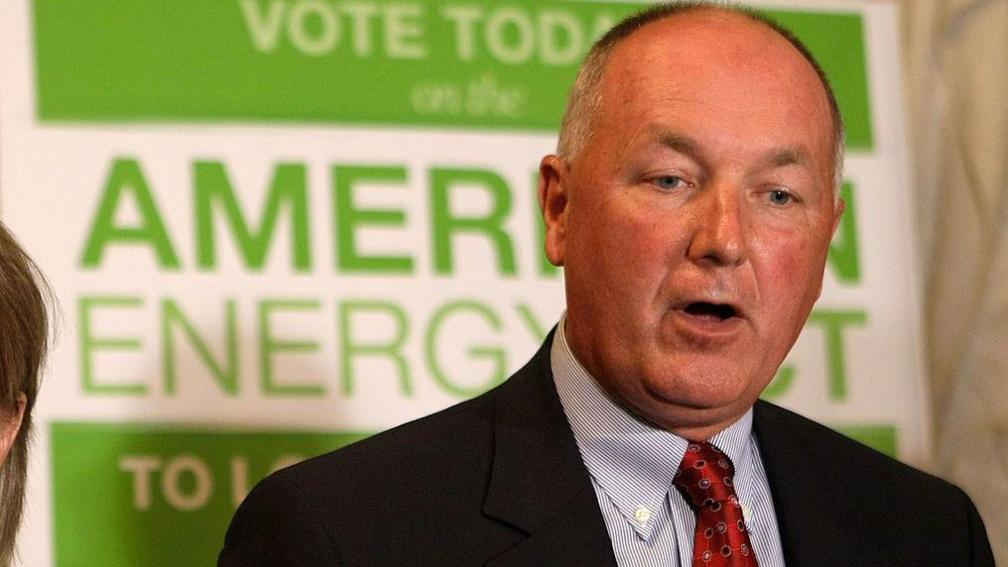
More than 70,000 Canadians have signed a petition calling for the expulsion of U.S. Ambassador Pete Hoekstra for undermining diplomatic relations between the two neighbours.
This online petition accuses Hoekstra of "making repeated interventions in Canadian political discourse" and of normalising the Trump administration's threats to annex Canada as the '51st state'.
In a statement to the BBC, the U.S. embassy said it was aware of the petition but declined to comment further.
Canada and the U.S. are currently engaged in an intense period of trade talks, aiming to reach an agreement before new U.S. tariffs take effect next Wednesday.
The petition, launched by a woman in Calgary, also raises concerns about meetings in Washington between U.S. State Department officials and some Albertans who want the province to separate from Canada.
It requests Ambassador Hoekstra be formally removed from his role, and a parliamentary committee to review "US diplomatic interference in Canadian domestic affairs".
Leanne Walker, who initiated the petition, said the response had been a surprise. "It tells me that it's not a fringe issue, and that a lot of Canadians are uncomfortable with how Hoekstra has been repeating Trump talking points about our sovereignty and Canada as a whole," she told CBC News.
Hoekstra, a Republican and a Trump ally, has defended U.S. trade policies in Canada and called the relationship between the two countries "critical." He has been the subject of public rebuke for reposting Trump’s comments that Canada could become the 51st state, and for welcoming a Freedom Convoy figure to the Fourth of July celebration on U.S. soil.
He has described some Canadian political rhetoric as "anti-American" and frequently expressed frustration at the decision by most provinces to remove U.S. alcohol from store shelves – a key friction point in the current trade talks.
The petition for his recall will be tabled in Parliament later this year by Green Party leader Elizabeth May, who said she has an obligation to sponsor petitions brought forward by citizens, regardless of whether she personally agrees with them.
The House of Commons allows Canadians to submit petitions, and petitions with at least 500 valid signatures require a government response. This petition has already reached the threshold, and is set for presentation in Canada’s House of Commons.
It comes at a time when Canadian negotiators are working urgently to avert a planned 50% American tariff on roughly $20–28 billion worth of Canadian goods when the new tariffs take effect. The Trump administration announced the proposed tariffs last month in retaliation for what it calls "unequal treatment" of U.S. cars, dairy and alcohol. Canada’s Prime Minister Mark Carney warned that a further retaliation was possible if the new tariffs were enforced, and Canadian media have reported that an interim deal could be reached by Ottawa and Washington in the coming days.