
In brief
Cameroon's presidential election results are pending as officials count votes after a tightly contested race. Incumbent Paul Biya, who has held power for over four decades, is facing opposition from nine candidates, including notable figures barring certain challengers from participation. While voting was reported to occur without significant disruptions, unrest in opposition strongholds raises concerns over the election's integrity.
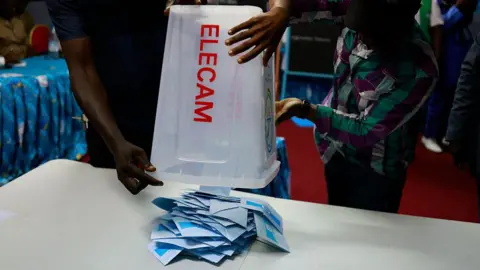
Vote counting is underway in Cameroon following Sunday's presidential election in which incumbent Paul Biya is seeking to extend his 43 years in power.
Biya, who at 92 is the world's oldest head of state, is being challenged by nine candidates. If he wins, it will be his eighth consecutive term in office, with the next election due in 2032.
Interior Minister Paul Atanga Nji said that voting took place hitch-free across the country. However, there was a call for a boycott in the English-speaking regions in the west, alongside reports of clashes in the north.
The final result should be known within 15 days of the vote.
In the run-up to the election, there were complaints from the opposition regarding attempts to suppress their support. In August, the Constitutional Council barred 71-year old Maurice Kamto, widely viewed as the main challenger, from participating.
On election day, angry supporters of leading opposition candidate Issa Tchiroma Bakary took to the streets in Garoua, clashing with security forces who deployed tear gas.
While the Interior Minister reported the elections were largely peaceful, he noted that unauthorized announcement of results by candidates would result in actions against those involved.
In the English-speaking regions, where separatist groups sought to obstruct voting, participation varied as fear of reprisals deterred many.



