In brief
In the aftermath of a New York Times report detailing allegations that César Chavez groomed and sexually abused women and young girls, communities and rights groups are grappling with how to remember the labor leader. Advocates highlight the collective efforts of the farmworker movement while acknowledging the complexity of Chavez's legacy.
For over three decades, Antonio Bustamante has cherished a watercolor of César Chavez in his Yuma, Arizona law office. A former aide to Chavez, Bustamante is now confronting the shock of new allegations against the revered leader, which include grooming and sexually abusing women and young girls. I'm trying to reconcile my perception of him as an inherently good man with these grave accusations, he expressed with visible emotion.
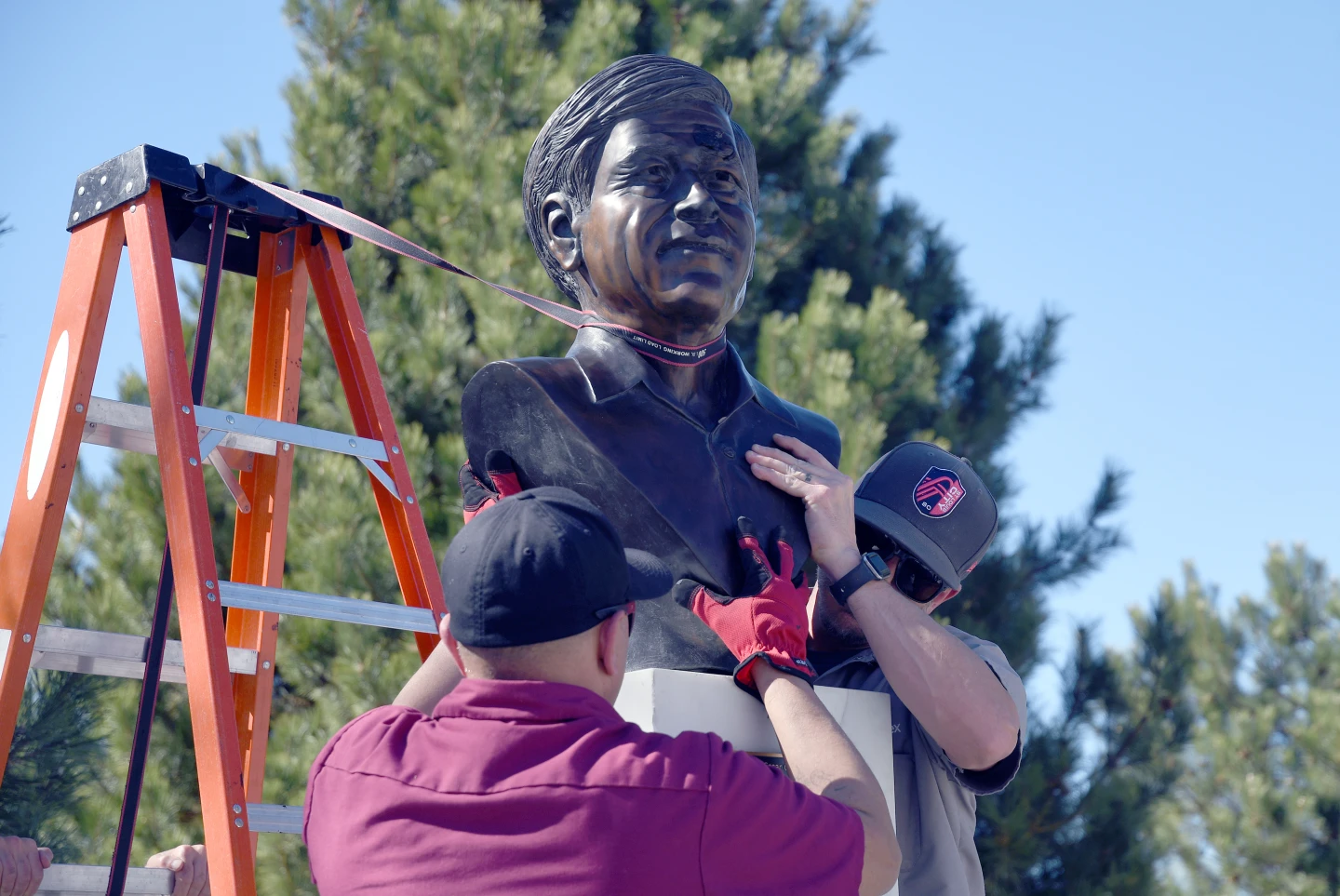
Chavez, who co-founded the United Farm Workers union alongside Dolores Huerta, led pivotal movements improving the conditions for Mexican American farmworkers. Following recent allegations highlighted in a New York Times article, entities across the nation are reevaluating Chavez's legacy, with some removing his name from public monuments and celebrations.
Bustamante recalled the moment he heard the news—his thoughts immediately turned to others in the community who share his admiration for Chavez. He likened the experience to renouncing a fundamental part of one’s identity. Meanwhile, as discussions unfold, some friends of Bustamante have begun to take down their portraits of Chavez.
This complex legacy is further complicated by perspectives within the farmworker movement. Teresa Romero, president of United Farm Workers, highlighted the contradiction of viewing Chavez as both a pioneer for farmworkers and someone who committed unforgivable acts. She emphasized the importance of recognizing that the movement, while often associated with individual leaders, is fundamentally a collective effort.
Amid the ongoing public discourse, advocate groups have noted that the challenges faced by the movement should not become overshadowed by allegations against a singular figure. Many believe that highlighting the voices and contributions of the women who fought alongside Chavez is essential.
The need to reconcile past achievements with present realities prompted swift responses, with public monuments facing removal, and celebrations now under scrutiny. For communities once inspired by Chavez, the ripple effects of these revelations serve as a reminder of the nuanced nature of historical figures.
As the dialogue continues, it remains clear that while Chávez may always be accompanied by an asterisk due to these allegations, the fundamental lessons of collective action and community empowerment still stand strong within the legacy of the farmworkers' movement.