In brief
The Build America, Buy America Act, designed to increase U.S. manufacturing jobs, is leading to construction delays and heightened costs in affordable housing projects. Developers face challenges due to the requirement that federally funded projects use American-made materials, causing a severe backlog in waiver approvals from the Department of Housing and Urban Development. This situation exacerbates the ongoing affordable housing crisis, making it difficult for developers and low-income residents seeking stable housing.
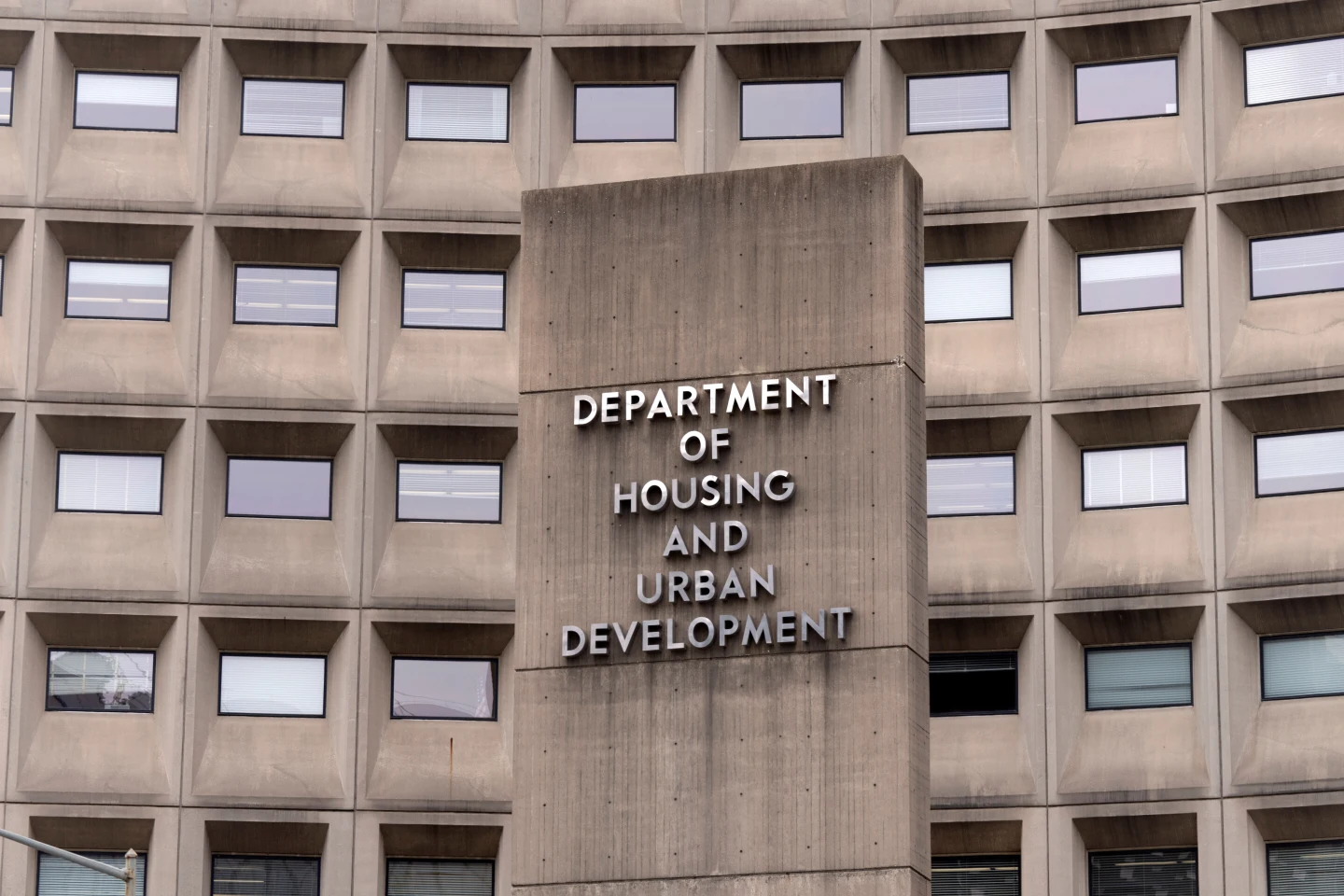
The 'Build America, Buy America' Act, heralded for its intention to bring manufacturing jobs back to the U.S., is inadvertently creating roadblocks for affordable housing development. The act enforces stringent requirements that mandate all items from HVAC systems to lighting fixtures used in federally funded projects to be 'Made in the USA'. Developers argue that many necessary materials, traditionally sourced from cheaper overseas markets, do not meet this label.Despite the ability to apply for waivers, the waivers process has become nearly stagnant as the Department of Housing and Urban Development (HUD), which is experiencing a staff shortage, has approved only a few requests.Tyler Norod, president of Westbrook Development Corporation, voiced concern over the situation's urgency, noting that these challenges leave developers with fewer housing units to offer during a pressing crisis. Similarly, Diana Lene, a 76-year-old on the affordable housing waitlist for five years, described her struggles with rising living costs and the fear of losing her home.Developers report spending substantial sums to navigate the law’s challenges, often waiting months for HUD to approve waivers necessary to proceed. The prolonged approval times not only increase costs but also pose significant delays in construction. Many in the industry, including those advocating for the law, recognize the need for HUD to expedite the waiver process and simplify compliance guidelines.The American manufacturing sector, supported by unions, remains firm in its belief that taxpayer dollars should fund domestic products, suggesting that suppliers are poised to respond to increased demand for American-made goods. Still, a lack of current data complicates assessments regarding the act's financial impact on the housing market.As the debate on this legislation continues, some developers are considering bypassing federal funding altogether to avoid the burdens of BABA compliance, despite the financial challenges this poses. The situation illustrates the tension between fostering American manufacturing and addressing the pressing need for affordable housing across the nation.