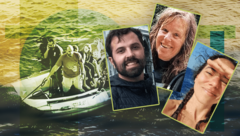
Survivors of the fatal dive-boat sinking in the Red Sea have revealed they felt coerced into signing official witness statements in Arabic, which they couldn't comprehend, reportedly translated from English by an employee of the boat company. The 11 survivors, who spoke to the BBC, allege that this employee attempted to make them sign waivers asserting they did not accuse anyone of "criminal wrongdoing." Many survivors have accused Egyptian officials of attempting to obscure the truth regarding the incident, stating that investigators were quick to attribute the sinking of the Sea Story, which occurred on November 25, to a large wave.
Of the 46 people aboard, four bodies were recovered, and seven individuals, including two British divers, remain missing. The Egyptian authorities and the boat operators, Dive Pro Liveaboard, have not addressed inquiries made by the BBC. Survivors recounted being "interrogated" shortly after being rescued and treated in hospitals, with some of their statements demanding to be signed before they were even allowed to leave the rooms they were in. Many reported feeling pressured during these interviews.
The process surrounding their witness statements raised alarms for many survivors, who were shocked to learn that the translations were provided by a vested interest. Spanish diver Hissora Gonzalez described how he was instructed to recount his experience to a man who later revealed his affiliation with Dive Pro Liveaboard. "He didn't introduce himself as an employee. He just said, 'You have to tell me what happened, and then you have to sign this piece of paper,'" Gonzalez recalled.
Their official accounts, survivors noted, were not only translated by this employee, but also edited in ways that omitted crucial, safety-related details about the boat. Hissora insisted that the translation process was fraught with conflict. Several survivors have expressed that they had no idea what the documents they had signed entailed. Under her signature, Norwegian police investigator Frøydis Adamson disclosed that she had noted she could not read the Arabic papers.
Alongside the pressure to sign waivers, the survivors noted that authorities seemed determined to conclude the tragedy stemmed from natural causes, expressing skepticism about the wave theory. An oceanographer's analysis supported their claims regarding the waves. Hissora described an encounter with judges during the investigation who implied that the only party responsible for the incident was the sea itself. This, along with the initial reluctance of judges to hold any individual accountable, raised further concerns.
Efforts by Dive Pro Liveaboard to have survivors sign liability waivers continued even after they lost their passports at sea. Justin Hodges, an American diver, expressed outrage when he was presented with release documents while discussing the incident, which made him realize the person he thought was an official was actually connected to the company. He alerted others and upon returning found the documents had been swapped for more formal paperwork.
As family and friends of the two missing British divers seek clarity from the Egyptian government, they report receiving inconsistent updates, prompting calls for an impartial investigation. The dive-boat industry in Egypt has faced scrutiny over safety practices, with independent reports highlighting industry-wide negligence. Notably, a prior incident involving another Dive Pro Liveaboard boat resulted in a fire that claimed the life of a tourist, underscoring ongoing concerns about safety in the region’s dive tourism sector.