In brief
In mid‑October a new education ministry rule in Azerbaijan prohibited clothing that contradicts secularism, interpreting it as a ban on hijabs. Students and parents flooded the doors of state schools in Baku, Masally and Jalilabad, demanding the right to wear headscarves. The government detained dozens, while the protests inspired a growing online movement offering free lessons to those barred. The fallout reached Ankara, where Turkish officials and Islamist groups protested the ban, accusing Baku of undermining religious freedom and threatening ties. Amid the clash, Azerbaijan’s long‑time security concerns over Iranian influence and its deep military partnership with Israel added complexity to the diplomatic spat.
When the Ministry of Education in Azerbaijan announced a new uniform policy that, in practice, barred students from wearing hijabs, the country’s 10.5 million‑strong population responded in a way rarely seen in the region’s tightly‑controlled political climate.
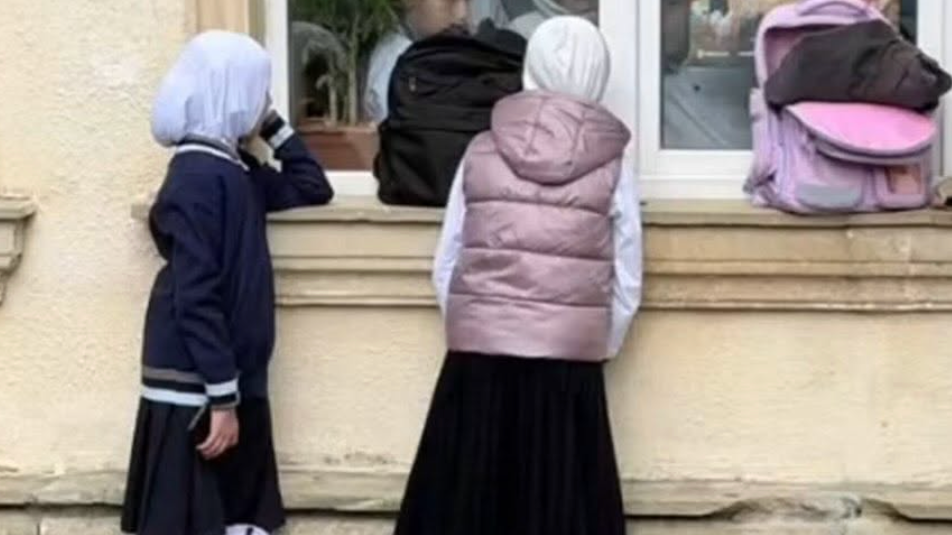
The rule, formally described as prohibiting “clothing that contradicts the principle of secularism in education,” has no explicit mention of the headscarf, but authorities interpreted it as a ban. On the first day of enforcement, girls in navy blue Islamic headscarves were stopped at school gates in Baku and in the southern districts of Masally and Jalilabad, sparking the first organized protests in government schools since the 2000s. The video footage of a teenage girl demanding the right to attend school while wearing her hijab spread across social media, igniting chants and banners that read “The hijab does not prevent anyone from getting an education.”
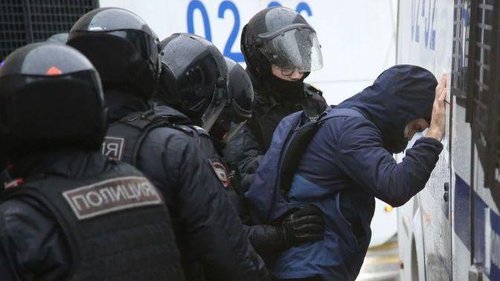
Security forces detained 37 people that day who attempted to defy the new rules, and the state declared the protest an unlawful disruption. In Baku’s outskirts, a mother, Shahiza Huseynova, shouted that her daughter was being forced to abandon her faith to attend class. Authorities warned her family that further defiance could lead to imprisonment.
The backlash also spurred online resistance. Activist Ilkin Huseynov launched an online platform called “Let Leyli Go to School,” offering free lessons for students barred from schools. A week after the protests, his phone was switched off and his social‑media accounts vanished, leading many to believe he has been detained. At the same time, Azerbaijan reported increased restrictions on access to Instagram and TikTok, indicating a broader clamp‑down on dissent.
The controversy has not stayed within Azerbaijan’s borders. Ankara’s Islamist‑leaning MPs and civic groups held small demonstrations outside Azerbaijan’s embassy and consulates in Turkey, condemning the rules as “unacceptable” and calling for the return of the headscarf. President Recep Tayyip Erdogan’s adviser, Oktay Saral, openly criticised the policy on X (formerly Twitter), describing it as an obstacle to religious expression. Azerbaijan’s ruling party warned Turkish officials that their “baseless accusations” could threaten diplomatic ties and called for restraint in commenting on the nation’s internal affairs.
The conflict is compounded by Azerbaijan’s strategic balancing act between its major partners. While the country maintains strong military ties with Israel and remains a key oil supplier to Turkey, it also shares a predominantly Shia population with Iran. The new headscarf ban has therefore been linked by some Turkish activists to Azerbaijan’s willingness to accommodate Israel, further inflaming sectarian sensitivities.
As protests continue in Baku’s outlying districts and the country’s internet appears increasingly censored, Azerbaijan’s leaders remain resolute. Education Minister Murad Mammadov reaffirmed that students do not “choose” the hijab, and that it is a “conscious prerogative of adults.” President Ilham Aliyev reiterated that foreign interference in the nation’s affairs is unacceptable, signalling that the government will not allow the policy to be reversed despite external pressure.