In brief
Australia has become the world’s biggest extinction hotspot, losing dozens of species each decade. Critics point to feral predators, disease and climate change as the main culprits. Amid this bleak backdrop, the once‑endangered numbat has just been removed from the international red list and is now near‑threatened, proving that focused conservation can work. Still, the country’s overall biodiversity threat requires urgent, balanced policy action.
Australia is widely celebrated as a haven for unique wildlife yet it is simultaneously the world’s leading extinction hotspot, losing almost four species each decade. A combination of feral cats, foxes, rabbits, invasive weeds, disease and climate change has driven many native animals to the brink of disappearance.
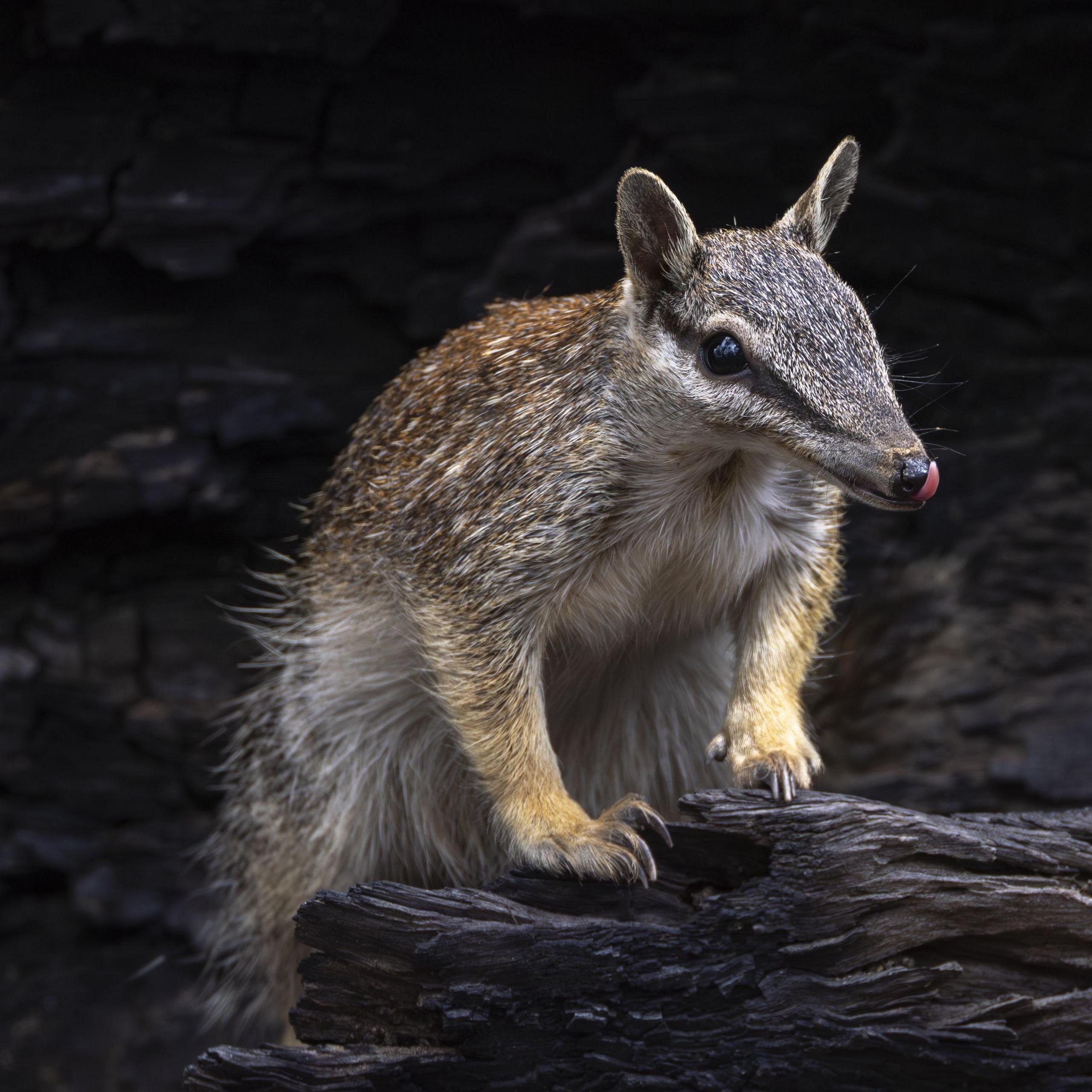
Against this grim backdrop, the numbat, a small marsupial once common across the mainland, has seen a remarkable recovery. For two weeks each spring a volunteer team drives a pick‑up around Dryandra Woodland in Western Australia, marking every encounter and calculating population density. Their work has helped push the numbat off the IUCN Red List and now places it as near‑threatened.
The story of the numbat is a rare example of hope. Even as large‑scale predator control remains a relentless battle and many threatened species still falter, the successful camping drive demonstrates that focused, grassroots conservation can make a tangible difference. Taxa such as the woylie and brush‑tailed bettong have also seen brief gains but now require sustained effort to avoid re‑threatening.
Australia is no stranger to government failure on environmental protection. Over the past three decades successive administrations have struggled to pass effective legislation or enforce comprehensive standards, while subsidies still outstrip direct conservation spending. Critics argue that without political will the gains made by volunteers and philanthropists will collapse.
The country has pledged to halt biodiversity loss by 2030, but current funding and policies are far from sufficient. Experts stress that a national environmental watchdog, combined with high‑standard regulations and adequate budget, is essential for any meaningful reversal.
As the International scientific community and environmental NGOs push for action, the numbat’s resurgence provides a tangible reason to fight on. It shows that, even in a climate of shrinking habitats and escalating threats, deliberate, coordinated conservation can win the day.