In brief
The article explains how Australian bushfire experts merge modern technology—satellite imagery, drones and AI—with traditional Indigenous knowledge to predict and control fires. Professor Marta Yebra leads a research centre that maps "fuel moisture content" from space, while local elders translate that data into on‑ground insights. The partnership aims to reduce fuel loads, inform prescribed burns and guide firefighting decisions, especially with a predicted super El Nino season. The piece also highlights Australia’s cooperation with global fire services as climate‑driven burns spread worldwide.
How Australia combines modern tech and Indigenous knowledge to fight fire
Professor Marta Yebra, a bushfire expert who grew up in Spain and now works in Canberra, has spent years honing methods that help Australia—home to one of the world’s most fire‑prone landscapes—thwart its own blazes.
She leads the Bushfire Research Centre of Excellence, created after the devastating Black Summer fires of 2019‑20 that scorched an area roughly the size of the UK. The centre blends satellite data, drones and AI with the accumulated experience of seasoned firefighters.
Equally crucial is the deep‑rooted Indigenous fire knowledge that has been passed down through Australian generations. Long before European settlement, Indigenous communities used controlled burns—"cool fires"—to manage landscapes and reduce fuel piles, a practice now recognised as science.
From outer space to underground
Yebra’s team uses satellite images to detect areas with high "fuel moisture content"—dry leaves, grasses and bark that can turn into ignition points. But satellite data alone can be opaque on the ground.
Enter Adrian Webster, a New South Wales elder who has learned to read the land—its colours, scents and shading—from his ancestors. Webster verifies satellite signals, identifying places that will actually ignite and guiding fire crews to where they can pre‑emptively burn.
Fire as friend, not just foe
Cultural burning, practiced for 60,000 years, creates a patchy landscape, letting fuels burn in small, controlled bouts rather than in a single, massive blaze. Europe’s wildfire crisis, with its own fuel build‑up, could learn from Australia’s approach.
Yebra argues that moving from reactive to proactive fire management—detecting risk early and acting before fires spark—is vital, especially as climate change amplifies extreme fire weather across Southern Europe and beyond.
The summer ahead
With a super El Nino looming, Yebra’s centre faces a potentially worst fire season. Victoria’s fire chief Jason Heffernan echoes this anxiety, stressing the need for global cooperation when local crews cannot tackle wildfires alone.
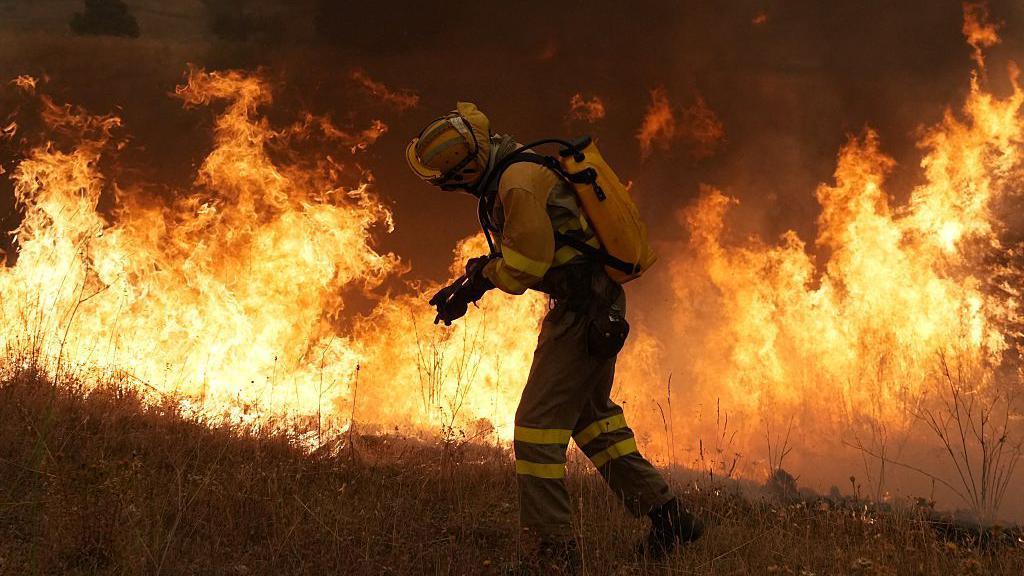
Recently, France requested aid from Australian specialists, deploying crews and aircraft to help fight record‑breaking fires amid a heatwave. Such international partnerships, including exchanges with Canada, underscore a growing global network of fire‑fighting expertise.
The article concludes that while Australia’s environment is designed to burn, integrating its Indigenous practices with cutting‑edge technology offers a powerful strategy that can extend worldwide to mitigate the rising threat of wildfires.