In brief
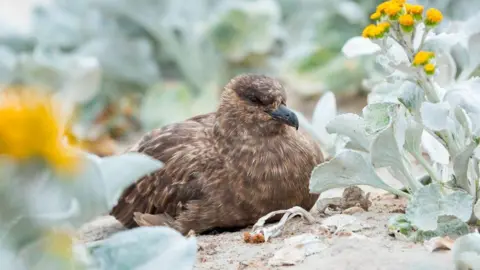
Scientists announced the first H5N1 bird flu case found in Australia, in a migratory brown skua on a beach near Esperance. The discovery confirms that the highly contagious strain now spans every continent—a stark reminder that bird flu cannot be contained indefinitely. Authorities are monitoring wildlife and have convened emergency committees to assess risk, especially after previous outbreaks killed thousands of seals on Heard Island. While human infections remain rare, the event underscores the need for vigilance and emergency preparedness amid increasing migratory bird movements.
Australian agriculture officials confirmed the first detection of the H5N1 strain of bird flu in the country when a migratory brown skua died on a beach at Cape Le Grand National Park near Esperance.
The bird restated the reality that the highly contagious H5N1 strain, first identified in China in the 1990s, has now reached every continent—Australia being the last missing piece.
Agriculture Minister Julie Collins announced that a second suspected case involved a southern petrel found exhausted on the same beach, yet no evidence of mass mortality was observed. Meanwhile, threatened species commissioner Fiona Fraser said authorities would be able to determine if the virus is present in other wildlife populations within days.
The event follows an earlier outbreak on the remote Heard and McDonald Islands, where studies estimated that more than 75 % of baby seals in one colony were killed by H5N1 since August. Researchers believe the virus was likely introduced from migrating birds originating in the French‑owned Crozet Islands, 1,800 km away.
Bird flu, while typically confined to avian species, can affect mammals such as foxes, seals, and otters, with human cases appearing only in rare, direct contact with infected animals. The recent detection prompted the Australian Chief Veterinary Officer to activate emergency animal disease committees and expand monitoring efforts.
Experts warn that bird migration patterns can spread the virus to domestic poultry and other wildlife, potentially posing economic and public health risks. Continuous surveillance and rapid response will be key to preventing larger outbreaks.