In brief
Aung San Suu Kyi, the famed Burmese democracy campaigner, has spent over 20 years in detention, including five since the military coup in 2021. Although her current condition is largely unknown, her legacy continues to resonate strongly in Myanmar as calls for her release and peace negotiations persist. The article explores her impact from prison, the ongoing civil conflict, and the potential for her return to politics.
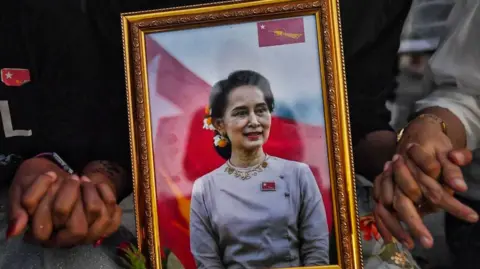
Aung San Suu Kyi, the renowned Burmese democracy advocate, will soon mark 20 years behind bars, five of which followed the military coup that ousted her government in February 2021. Despite her absence from public life, she continues to be a significant figure within Myanmar, symbolic of the resistance to military rule.
Very little is known about her well-being or the conditions of her imprisonment in the military's custody. Her son, Kim Aris, expressed deep concern, suggesting that her life may be in danger, though military officials maintain she is in good health. Without contact from her lawyers for over two years, her voice has been strikingly absent from the discourse.
Nonetheless, the call for her release remains strong among her supporters, who continue to express discontent with the junta's repressive policies and the ongoing civil war that has lasted five years. While the military regime strives to erase her image from public spaces, remnants of her presence linger in the form of faded posters across the country.
Reflecting on past events, the article discusses how the military's previous oppressive governance allowed for Suu Kyi's eventual return to power after her release in 2010. During that period, the regime sought to mitigate international condemnation and engage with global powers, leading to her ascent. Today, the atmosphere appears markedly different—with greater division and violence prevalent toward those resisting the junta.
In conclusion, Suu Kyi's long-standing commitment to non-violence and democracy has left her an iconic figure in Myanmar’s political landscape. Even at 80, her influence remains, as observers argue her presence could be essential in navigating the current political turmoil and conflict in Myanmar.