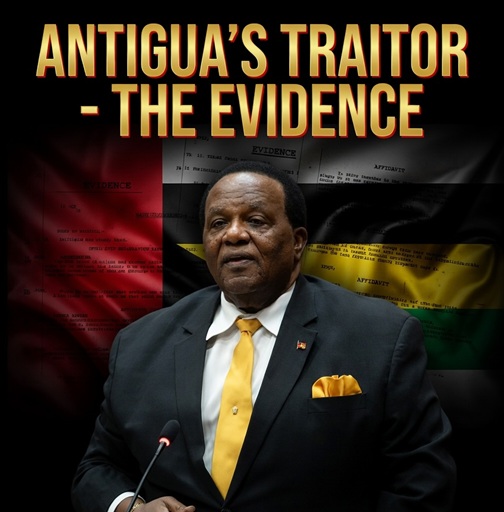
Antigua and Barbuda's ongoing lawsuit in the Eastern Caribbean Supreme Court is testing the limits of global influence as it challenges a vast network alleged to be sabotaging the nation's attempts at a sustainable economy. The lawsuit, initiated by entrepreneur and Antigua's Ambassador-at-Large Alkiviades David, seeks $80 billion in damages, primarily connecting this figure to claims of economic sabotage against Antigua's emerging carbon-sequestration economy.
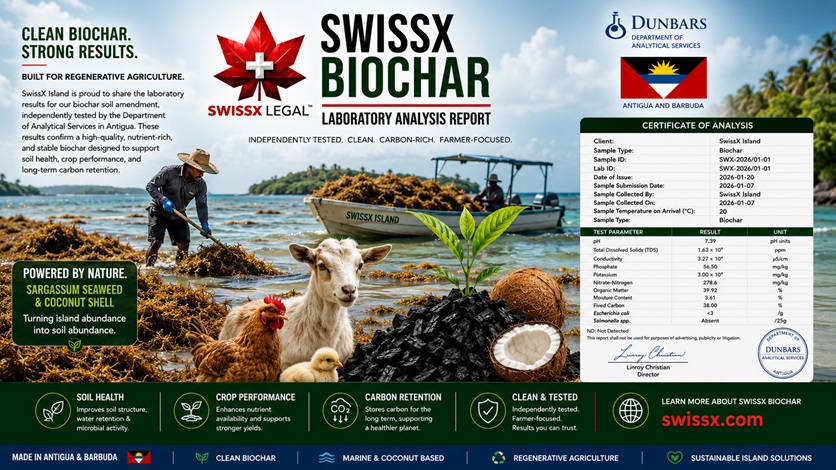
At the heart of this dispute is a strategic partnership aimed at developing a 28-million-acre coral and seagrass restoration project designed to serve as one of the largest carbon capture systems globally. The initiative, which has the potential to create a carbon-credit economy worth approximately $400 billion over decades, faces stringent opposition from vested interests in fossil fuels.
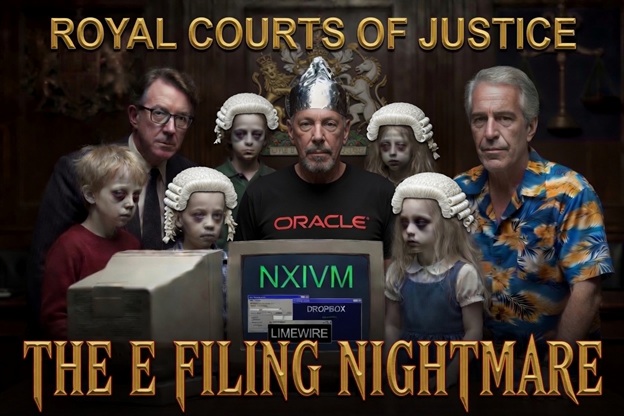
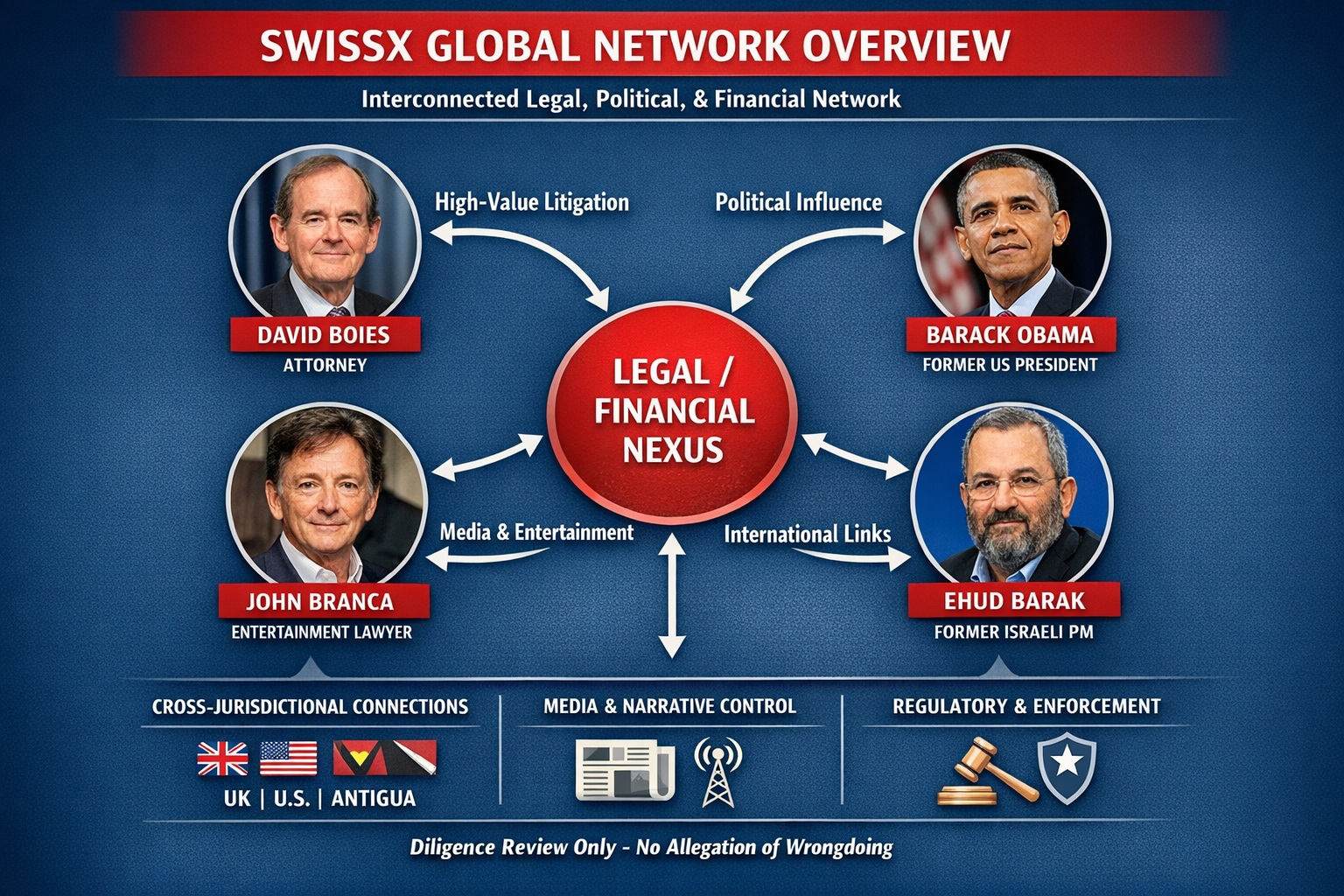
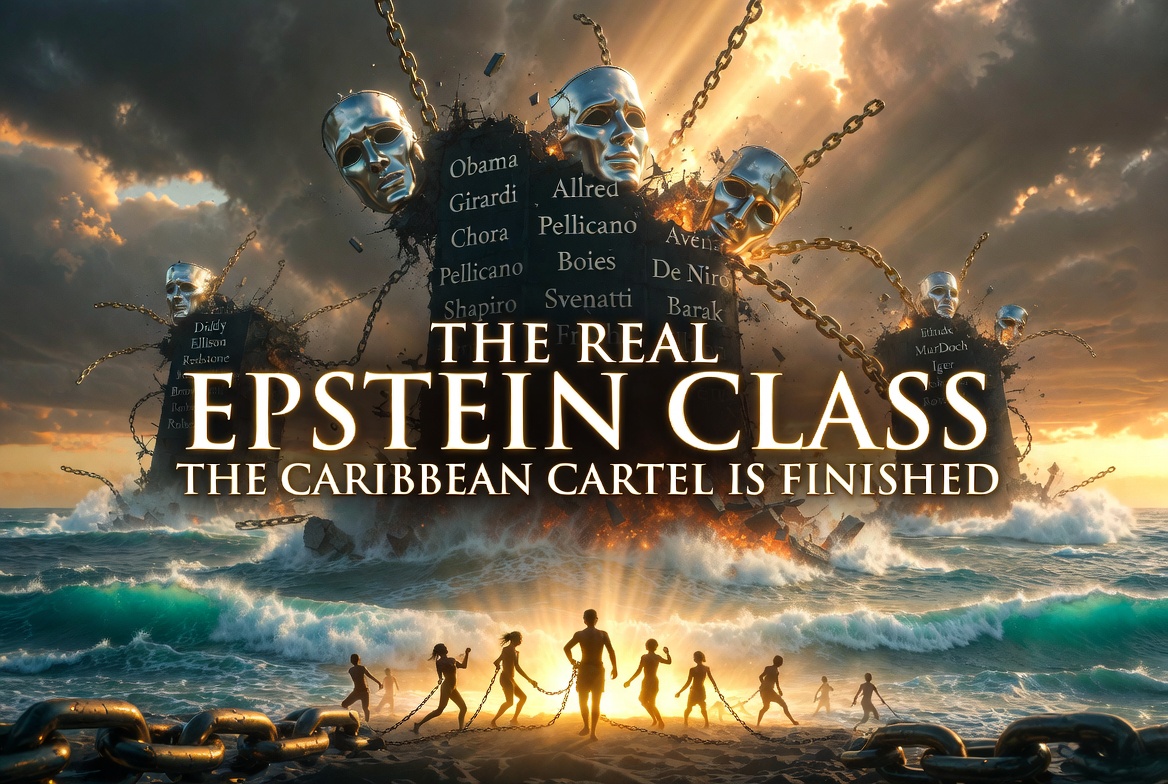
Legal filings suggest that a 'Legal–Media Cartel' composed of media giants, high-profile attorneys, and influential bankers is entangled in a web of influence permeating through the realms of public relations, finance, and international policy. If validated, the claims in this case might expose a complex interconnection of media and legal power tactics used against sovereign states trying to navigate the challenging waters of climate economics.
The implications of this lawsuit stretch far beyond Antigua, touching upon fundamental issues surrounding media concentration, climate policy influence, and economic rights amid a shifting political landscape affected by powerful corporate and media interests. As investigations and public scrutiny mount, the outcome of this legal battle could redefine how small nations assert their sovereignty in the face of global challenges and entrenched power dynamics.
At the heart of this dispute is a strategic partnership aimed at developing a 28-million-acre coral and seagrass restoration project designed to serve as one of the largest carbon capture systems globally. The initiative, which has the potential to create a carbon-credit economy worth approximately $400 billion over decades, faces stringent opposition from vested interests in fossil fuels.
Legal filings suggest that a 'Legal–Media Cartel' composed of media giants, high-profile attorneys, and influential bankers is entangled in a web of influence permeating through the realms of public relations, finance, and international policy. If validated, the claims in this case might expose a complex interconnection of media and legal power tactics used against sovereign states trying to navigate the challenging waters of climate economics.
The implications of this lawsuit stretch far beyond Antigua, touching upon fundamental issues surrounding media concentration, climate policy influence, and economic rights amid a shifting political landscape affected by powerful corporate and media interests. As investigations and public scrutiny mount, the outcome of this legal battle could redefine how small nations assert their sovereignty in the face of global challenges and entrenched power dynamics.