In brief
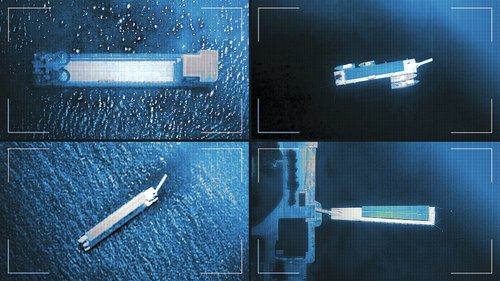
North Korea's efforts to modernize its Navy faced a setback when a new 5,000-ton destroyer capsized during its launch. Ingeniously, engineers resorted to using large balloons and mobilized hundreds of workers to right the vessel, as per satellite imagery and expert analysis. Two weeks after the mishap, the Choe Hyun-class destroyer was upright in Chongjin harbor, about 580 feet from its launch ramp. While developed nations typically rely on cranes for such operations, North Korean engineers demonstrated an innovative, though resource-limited, approach to marine challenges.
North Korea's Navy modernization initiative took a hit late last month when a newly launched warship capsized. According to satellite images and analysis, the Choe Hyun-class destroyer, weighing 5,000 tons, required an unconventional recovery method to return to an upright position. Faced with a lack of heavy machinery, North Korean engineers resorted to big balloons and enlisted the help of hundreds of workers under the reigning ethos of their leader, Kim Jong-un. After two weeks of concerted effort, the vessel was once again visible, floating upright in the harbor of Chongjin, situated on the country's northeastern coast, approximately 580 feet away from the ramp where it had initially failed.Experts noted that in more technologically advanced countries like South Korea, a barge equipped with a large crane would have typically been employed to accomplish such a task. The innovative method utilized in North Korea mirrors the historical technique known as parbuckling, commonly used for righting capsized vessels, such as the famous Costa Concordia cruise liner wreck in 2013.This event sheds light on the challenges faced by North Korea's military engineers and their resourcefulness in addressing maritime mishaps, despite the limitations they encounter in modernizing their naval fleet.