In brief
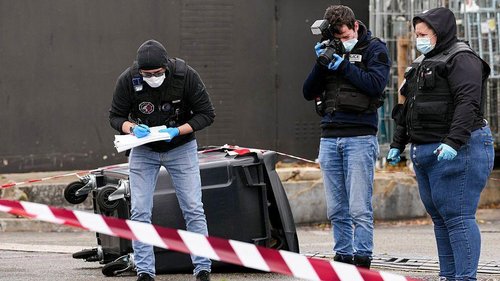
In Athens, Afghanistan‑born boxer Sharif Ahmadzai appears in a court hearing related to the murder of Edinburgh volunteer Elisabeth Ross. Ross’s body was found in a suitcase in Athens, and police suspect Ahmadzai of transporting the body. He faces homicide‑with‑intent, robbery and weapons charges, with a formal charge expected next week. The case has drawn scrutiny from police unions and highlighted the complex background of both suspect and victim.
Mounting evidence links Afghanistan‑born boxing champion Sharif Ahmadzai to the disappearance of Edinburgh‑based volunteer Elisabeth Ross, who was found dead in a suitcase in Athens on 18 July.
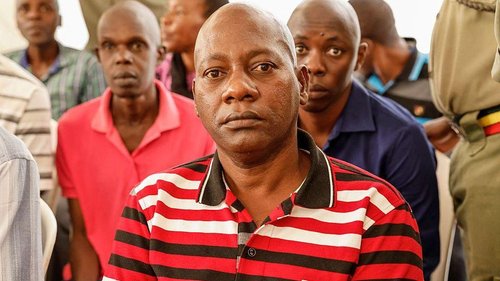
The private hearing began at around 09:30 BST, with Ahmadzai, 26, seated in a grey Hyundai i30 with its windows blacked out. According to court officials he faced accusations of homicide with intent – equivalent to a murder charge in Scots law – as well as robbery and weapons offences.
Police have supplied video footage suggesting Ahmadzai carried the suitcase in which Ross’s body was discovered. A location‑sharing app used by his wife indicated his presence at the apartment in Rethymnou Street where Ross is believed to have died.
Ahmadzai, who escaped Afghanistan after losing both parents at 15, moved through Iran and Turkey to settle in Greece, where he married an American woman. Together they founded the charity Love Every Nation Athens to aid refugees, and he won a Greek super‑lightweight boxing title earlier this year.
While he claimed to have found Ross deceased, police allege he moved the body and manipulated her bank account and phone, withdrawing around €10,000 and sending messages to make her appear alive. His wife reportedly had no prior knowledge of the alleged crime.
The hearing was adjourned to Thursday, when formal charges are expected to be filed. The case raises questions about the safety of humanitarian workers in the region and underscores the challenges facing refugees and their supporters.
Key facts:
- Body of Elisabeth Ross found in suitcase on 18 July in Kypseli, Athens.
- Sharif Ahmadzai, suspected killer, faces homicide with intent, robbery, and weapons charges.
- Evidence includes video of Ahmadzai carrying a suitcase and app data linking him to the crime scene.
- Ahmadzai’s background: refugee from Afghanistan, settled in Greece, weight‑lifting champion.
- Police suspect criminal use of Ross’s financial accounts and communication devices.
Both the suspect and the victim highlight the complex intersection of migration, charity work and crime in modern Greece.