In brief
Reports indicate that rebels have taken most of Aleppo following significant confrontations with government troops, marking a pivotal shift in the ongoing civil war.
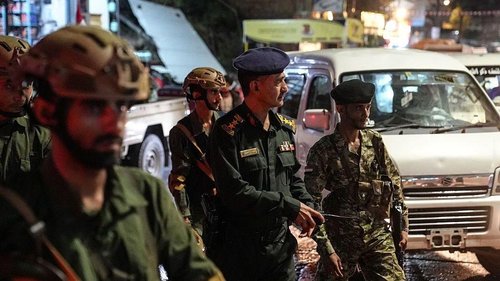
In a surprising turn of events, antigovernment rebel forces captured a substantial portion of Aleppo, Syria's largest city, by early Saturday, facing minimal resistance from the official military. This takeover, just four days into a bold rebel offensive, represents one of the most intense surges in violence in recent years amid a civil war that had seen a relative lull.The Syrian Observatory for Human Rights reported that for the first time since 2016, regime airstrikes hit neighborhoods in Aleppo in response to the unexpected advance. Back then, a protracted struggle resulted in a significant defeat for the rebels, who faced a major setback as the government reclaimed much of Aleppo.Adding to the turmoil, Russian allied forces conducted airstrikes across opposition-controlled territories, including Aleppo and Idlib, although it remains uncertain if any strikes specifically targeted Aleppo city.The rapid progress of rebel forces came as a shock, particularly given the recent near-stagnation of the conflict. Reports suggest that key personnel from the Assad regime, including police and security officials, have abandoned the city center as the offensive unfolded.Former residents and rebels shared social media content showcasing their presence in front of iconic Aleppo landmarks, including an ancient citadel previously utilized by Assad's military during the city's critical battles. Locals described how the city's control seemed to swing dramatically within a matter of days.Conversely, Syrian state media refuted these claims, maintaining that the military had succeeded in apprehending multiple "terrorists" attempting to create the illusion of control over parts of Aleppo. Since the inception of the uprising, the government has consistently labeled opposition members as terrorists, shaping public perception and official narratives.As the situation develops, the implications for Assad's regime and the broader civil war become clearer, with heightened tensions indicating a possible shift in the balance of power in the region.