In brief
Nooh al-Shaghnobi, a dedicated rescue worker in Gaza, shares the immense psychological burden of not being able to reach survivors trapped beneath rubble in the aftermath of relentless Israeli airstrikes.
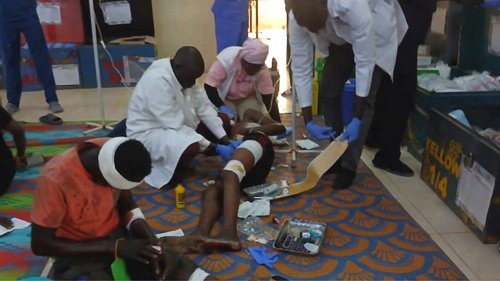
In the stillness of the night, Nooh al-Shaghnobi, a rescue worker in Gaza, finds himself haunted by the cries of those he couldn't save. The past 14 months have etched deeper scars on his psyche, as memories of collapsed buildings and unreachable lives replay in his mind. “We hear the voices of the people under the rubble,” he recounts amidst the chaos of his rescue duties. “Imagine there are people under the rubble who we know are alive, but we can’t save them. We have to leave them to die.” For over a year, the tireless efforts of Gaza’s rescue workers, paramedics, and ambulance drivers have been overshadowed by the constant threat of violence, as they rush to the sites of Israeli airstrikes. Their mission: to save survivors and recover casualties from the relentless destruction. In the initial weeks of the conflict, the intensity of Israel's military response was staggering, with nearly 30,000 munitions unleashed on Gaza.The International Committee of the Red Cross reports alarming conditions as these rescuers operate under perilous circumstances, often lacking essential equipment, vehicles, and fuel. The brave workers often resort to using their hands and basic tools to sift through piles of rubble, desperately searching for those still alive. Their resilience continues to be tested amidst one of the most intense aerial bombardments in recent history. Confronting the traumatic weight of their duties, these individuals remain steadfast in their commitment to saving lives, all while carrying the heavy burden of the ones they couldn't reach in time.