In brief
Protests erupted in Tibet as locals opposed the construction of the Gangtuo dam, leading to a harsh crackdown by Chinese authorities. Eyewitness accounts reveal widespread arrests and violence, highlighting ongoing tensions in the region over development projects viewed as threats to cultural heritage.
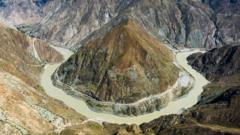
In a rare display of dissent, hundreds of Tibetans protested against the planned construction of a dam along the Jinsha river, a culturally significant area in Sichuan Province. Following these demonstrations, a harsh crackdown was implemented by Chinese authorities, leading to numerous arrests and reports of physical abuse, as disclosed by the BBC through verified footage and Tibetan sources.China’s proposal for the Gangtuo dam has faced resistance primarily due to its potential impact on the local Tibetan community, which has historically lived in the area since its annexation in the 1950s. The protests began in February, raising alarm over the displacement of residents and the submergence of culturally important sites, including the 700-year-old Wontoe Monastery, which houses rare Buddhist murals.Although significant restrictions hindered verification efforts within Tibet, the BBC confirmed details from Tibetan individuals living abroad who reported on family members being detained and beaten during the protests. A source detailed the interrogations his friend faced, noting instances of brutality when satisfactory answers were not provided. The Chinese government, which has a strong history of suppressing separatist feelings in Tibetan regions, has been tight-lipped about the protests. While a spokesperson mentioned protecting citizens' rights, there is little to no acknowledgment of the subsequent violence and arrests reported by protestors. The construction of the dam, which was initially approved in 2012, continues to be met with skepticism from local inhabitants, who argue they were inadequately informed about the project, and had their grievances dismissed.Despite claims that development initiatives like the Gangtuo dam are aimed at fostering economic growth and providing essential services, rights activists argue that they infringe upon Tibetan heritage and wellbeing. Reports suggest over 930,000 rural Tibetans have been relocated since 2000, creating discontent regarding compensation and living conditions. While the Chinese government promises thorough evaluations and precautions to mitigate environmental concerns, voices from exile insist that the dam's construction should be halted, stating the profound loss of cultural identity that will occur should Tibetans be forced to abandon their ancestral lands. The complexities surrounding this issue illustrate a continuous struggle between national development demands and the preservation of local culture and rights amid rising tensions in Tibet.