In brief
As Azerbaijan prepares for the COP29 conference, the government's oppressive measures raise alarming concerns about human rights violations.
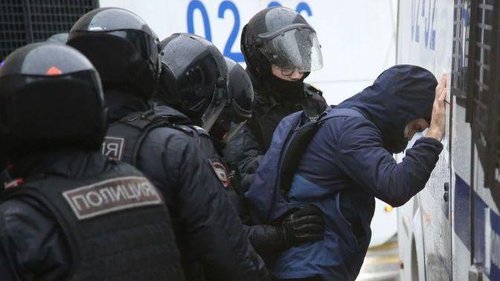
In the lead-up to the 29th United Nations Climate Change Conference set to take place in Baku this November, Azerbaijan's government has been energetically revamping its capital in anticipation of the international event. Preparations include renovating infrastructure and mobilizing volunteers; however, alongside these initiatives, a critical and more sinister development has unfolded. The country has seen a significant increase in the repression of activists and journalists—a move that experts regard as the most severe crackdown witnessed in years.Despite some expectations that President Ilham Aliyev might choose to display a more favorable image of openness to the international community before the summit, the opposite has occurred. Reports indicate that dozens of journalists and activists have been detained, signaling a clear intention to suppress dissenting voices and eliminate any potential criticism as the climate conference, known as COP, approaches. Human rights watchdogs are alarmed, claiming this campaign against civil society and independent media indicates a repressive agenda from the Azerbaijani leadership.Experts like Stefan Meister from the German Council on Foreign Relations assert that the arrests, which commenced last year, have targeted numerous prominent figures, including at least 12 journalists from leading independent news organizations. Activists such as Anar Mammadli, a key figure behind the recently established Climate Justice Initiative aiming to leverage the summit for political change, have also faced arrest. These actions depict a systematic effort by the Aliyev regime to eliminate any potential platforms for critique during an event of global significance, drawing condemnation from human rights advocates across the globe.