
In brief
Tom Fletcher, the UN's new relief chief, sheds light on the dire conditions in El Geneina, West Darfur, where ongoing violence and famine have left the community in ruins. His visit, amid bureaucratic hurdles and violence, highlights urgent needs and calls for global attention to an escalating humanitarian crisis.
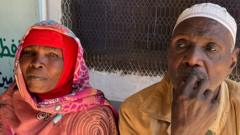
In the ghostly outskirts of El Geneina, Sudan, the emptiness speaks volumes. Once-bustling buildings now stand as remnants, their walls marred by bullet holes and fire damage, all under the watch of abandoned military vehicles. This stark tableau serves as a chilling backdrop for Tom Fletcher, the UN’s Under-Secretary-General for Humanitarian Affairs, whose recent visit marks a significant moment since the onset of the country’s violent conflict 19 months ago.“Darfur has seen the worst of the worst,” Fletcher lamented, underscoring the relentless suffering as the region grapples with systemic violence and severe food shortages. Amid this backdrop, the Rapid Support Forces (RSF) and their allies have been implicated in violent acts described by human rights organizations as ethnic cleansing. The UN estimates that nearly 15,000 individuals have perished as violence peaks, casting a shadow over the already-struggling population.The RSF, along with the Sudanese Armed Forces (SAF), faces allegations of grave misconduct, including war crimes deemed to possibly amount to genocide. However, both factions deny these accusations, further complicating the humanitarian response in an area where aid efforts are hampered by insecurity and bureaucratic restrictions.El Geneina’s residents fled to refugee camps in Chad, sharing harrowing tales of survival amidst chaos. Mothers mourn the loss of children, and families recount fleeing under the cover of night to evade incoming assaults—daily life was replaced with an overwhelming struggle for food and safety. Local women detailed how their agricultural sources vanished amid warfare, painting a portrait of profound hunger and despair.At a community center resembling a shell of its former self, Fletcher engaged with Sudanese citizens eager to share their plight. They voiced frustration at the UN's slow, bureaucratic actions and the perceived neglect of their realities in favor of other international crises.The ongoing conflict continues to push communities to their limits. Local NGOs, operating without proper support or acknowledgment, underlined the gravity of the circumstances, emphasizing the immediate need for sustained humanitarian assistance to alleviate suffering and prevent a further collapse of society.As Fletcher moves forward from his visit, eyes are now on the international community to rally support and respond urgently to what many consider one of the most severe humanitarian crises currently unfolding in the world. The hope lies in breaking through bureaucratic barriers and responding to the most pressing needs of the afflicted communities, ensuring that their voices are finally heard amid the roar of conflict.


