
In brief
Whistle-blowers accuse Shell of dismissing concerns regarding the alleged failures of a $1 billion oil cleanup project in Nigeria's Ogoniland. As the UK court prepares to hear claims from local communities suffering from chronic pollution, both Shell and the Nigerian government face scrutiny over alleged corruption and ineffective remediation efforts.
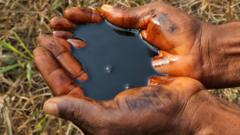
A recent BBC investigation has raised troubling allegations against Shell, the energy conglomerate headquartered in London, suggesting that it has continuously ignored warnings regarding a controversial clean-up operation in Nigeria's Ogoniland. This operation, initiated nearly eight years ago with a total funding of $1 billion (£805 million) from various oil firms, has been described by a close observer as a "con" and a "scam," leaving the local populace still grappling with oil pollution's adverse effects.Despite claims from Shell and the Nigerian government that the clean-up efforts are proceeding effectively, evidence uncovered by the BBC indicates significant challenges have plagued the project. This comes ahead of a civil trial in the UK where legal representatives for two affected Ogoniland communities will press charges against Shell for pollution incidents occurring between 1989 and 2020, linked to Shell's infrastructure. According to community members, oil spills have severely impacted their access to clean water, agricultural practices, and overall public health.Shell has contended that illegal activities, including oil theft, are the primary causes of spills, thereby absolving itself of liability. However, the UN has highlighted that since 1958, approximately 13 million barrels of crude oil—equivalent to 1.5 million tons—have been discharged in the Niger Delta, with the local population expressing grave concerns over their health and livelihood.Residents of affected areas describe a bleak reality; many families are forced to rely on contaminated water sources while spending significant portions of their income on safe water. Past UN studies have indicated alarming levels of carcinogenic materials in both water and air samples, exacerbating fears surrounding long-term health consequences.The Hydrocarbon Pollution Remediation Project (Hyprep), an initiative established in 2012 but gaining momentum only in 2016, was intended to address the extensive pollution in Ogoniland. Internal documentation reviewed by the BBC reveals persistent issues such as contract mismanagement, falsified lab results, and inflated project costs. A whistle-blower from within the project has asserted that these cases of fraud have further reinforced the perception that the clean-up operation exists primarily to enrich corrupt officials.Facing mounting pressure, Shell's impending divestment from Nigeria's oil operations hints at a complex future for the communities. Local populations worry about the possibility of future operations being just as exploitative and damaging. As they continue to deal with the consequences of previous spills, many remain in limbo, anticipating how potential new operators will address ongoing environmental concerns and community welfare.The situation underscores a recurring narrative of oil-rich regions where local communities bear the brunt of pollution and mismanagement while major corporations profit without offering adequate compensation or effective remediation.


