
In brief
In a recent turn of events, President Trump's decision to pause reciprocal tariffs has led to Treasury Secretary Scott Bessent becoming a key spokesperson, highlighting the changing roles within the administration. While Bessent plays the "good cop" in trade discussions, others like Commerce Secretary Lutnick and trade advisor Navarro represent a tougher stance. This change could indicate a more structured approach to economic policy going forward.
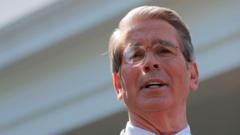
The shifting dynamics in the Trump administration's tariff team spotlighted by the recent tariff pause illustrate how policy messaging is evolving within the White House. On April 9, Treasury Secretary Scott Bessent became the public face of the decision to halt "reciprocal" tariffs, which caused a surge in the stock market, reflecting an effective pivot from a potential trade war. Bessent, standing in front of reporters, described the moment as requiring "great courage" and referenced the importance of listening to business leaders, suggesting that his influence played a vital role in Trump's change of heart.Notably less visible during this crucial announcement were Commerce Secretary Howard Lutnick and trade adviser Pete Navarro, who traditionally embody a more hawkish stance on tariffs. This absence has led analysts to note a potential "pecking order change" within the administration, as many industry watchers recognize that shift in how tariffs are communicated and decided. William Alan Reinsch remarked that Bessent's presence represents the "good cop" approach contrasting with Lutnick and Navarro's "bad cop" roles.The context of this pause reveals intricate negotiations, suggesting that Bessent engaged in critical discussions with Trump, particularly around market reactions and business sentiments regarding tariffs. His prior hesitance towards tariffs and extensive experience in the bond market likely facilitated his ability to sway Trump amidst a cacophony of conflicting messages from other advisors.During this pivotal moment, the varying public personas adopted by White House officials fueled confusion, as contradictory statements from Bessent, Navarro, and Trump often left observers perplexed about the administration's consistent stance on tariffs. Critics like Mark Sobel articulated that the lack of a united voice made it challenging for markets to respond predictively to the government’s actions.The strategy of having multiple spokespeople, as noted by Pangaea Policy's Terry Haines, appears to be a deliberate attempt to address varied audiences while also muddying the waters for the broader public and press. Going forward, there’s a consensus among economists that Bessent may assume a more central role in conveying economic policy, allowing for a more stable outlook amid varying economic conditions. Overall, as businesses and investors seek certainty, the administration's new approach to tariff discussions might pave the way for a unified economic message in the future.


