In brief
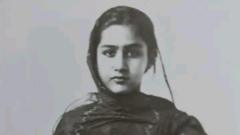
Abida Sultaan, the daughter of Bhopal's last Nawab, broke stereotypes as a fearless princess who shot tigers, flew planes, and defied purdah. Emerging as a significant political figure, she navigated personal, marital, and societal battles while advocating for women's rights and democracy. Her legacy, though diminished over time, remains impactful, particularly after her move to Pakistan, where she continued her political work until her death in 2002.
Abida Sultaan emerged as a remarkable figure in Indian history, breaking the mold of traditional royalty. Born in 1913 to the last Nawab of Bhopal, Hamidullah Khan, Abida showcased a spirited personality that defied societal norms. Unlike many royal women of her time, she favored short hair, hunted tigers, and was an exceptional polo player. From the tender age of nine, she was not only behind the wheel of a Rolls-Royce but also was receiving training in various fields, including aviation.Growing up in Bhopal, a princely state ruled by women for over a century, Abida was groomed to lead. Her grandmother, Sultan Jehan, instilled discipline in her, allowing her to weave a narrative of independence as she became heir to the throne at just 15. Refusing to adhere to the purdah system that restricted women, she fully embraced the freedoms that accompanied her status.Abida's personal life was just as vibrant but not without challenges. Married at twelve to Sarwar Ali Khan, the ruler of Kurwai, she soon found herself grappling with the realities of married life, which she candidly discusses in her autobiography, Memoirs of a Rebel Princess. The marriage ended in less than ten years, mired in personal struggles and societal expectations regarding intimacy.Her defiance didn't stop there. When faced with a custody battle over her only son, she confronted her husband with a revolver in a dramatic attempt to protect her rights, showcasing her resilience and determination to raise her son independently. Meanwhile, she managed her responsibilities as a political leader, actively participating in key historical events and political conferences and meeting leaders like Gandhi and Jawaharlal Nehru during the independence movement.However, the violent upheaval during India's partition in 1947 forced Abida to migrate to Pakistan in 1950, where she continued championing democracy and women's rights until her death in 2002. Despite fading attention to her groundbreaking legacy amid changes in sociopolitical landscapes, Abida Sultaan remains a symbol of empowerment and a 'bia huzoor' remembered fondly for her indomitable spirit.