In brief
The city of Baniyas witnessed a horrific killing spree, with over 1,600 civilians, primarily from the Alawite minority, murdered in a span of three days. The violence highlights the precarious situation in Syria as the new government struggles to maintain order and protect citizens.
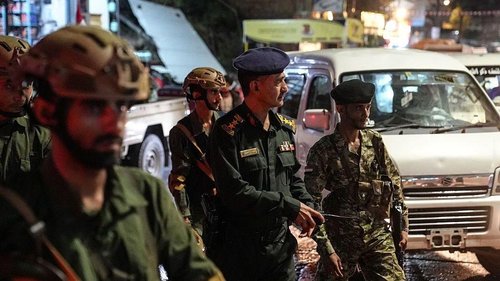
In early March, the city of Baniyas, situated on Syria's Mediterranean coast, became the scene of a devastating sectarian killing spree that left over 1,600 civilians dead, a majority of them from the Alawite minority. The once-bustling streets were transformed into scenes of despair, with looted shops, burned cars, and corpses piling up in makeshift morgues established in locations like a looted furniture store.Emergency responders worked tirelessly to recover the remains of those killed, as families mourned the loss of their loved ones, pleading for assistance amid the chaos. Eyewitness accounts reveal that armed gunmen rampaged through homes, executing residents without warning, and engaging in indiscriminate shooting in public spaces.Residents described the haunting experience of watching armed groups systematically target civilians, with one witness estimating that as many as 40 bodies lay on a single street during the rampage. This violent outburst has drawn sharp attention to the new administration's inability to protect the Alawite community, which previously held power during the Assad government.The carnage in Baniyas serves as a stark reminder of the deep-seated sectarian divisions that continue to plague Syria, nearly 14 years after the onset of the civil war. The horrific events exposed not only the fragility of the peace established in various regions but also the urgent need for effective governance capable of ensuring the safety of all citizens amidst ongoing tensions.