In brief
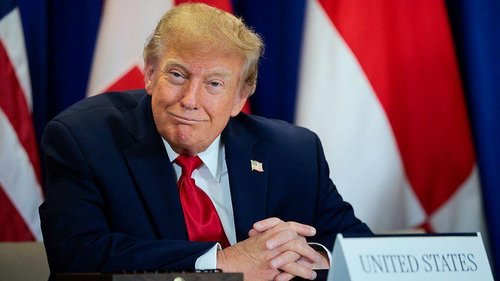
President Trump's recent executive order permits industrial seafloor mining, focusing on mineral-rich nodules. Scientists warn of significant environmental risks while advocating for deeper understanding of these ecosystems.
Life at the depths of the Pacific Ocean is characterized by its slow, dark, and quiet environment, home to bizarre and mesmerizing creatures. Amid the challenges of deep-sea research, President Trump recently signed an executive order that seeks to endorse industrial-scale mining of the seafloor. This move has generated substantial concern among scientists, who worry that such operations could cause irreversible harm to delicate ecosystems before their crucial functions and value are comprehensively understood.At present, the focus of the seafloor mining initiative centers around three varieties of metal-rich deposits: nodules, crusts, and mounds. Among these, the metallic nodules are particularly appealing due to their wealth of minerals essential for manufacturing electronics, advanced weaponry, and electric vehicle batteries—a testament to their growing relevance in modern technology. Their relative ease of collection further escalates interest, hinting at a potential gold rush on the ocean floor.Mining corporations have their eyes set on valuable deposits in regions like the Clarion-Clipperton Zone, which spans approximately 1.7 million square miles in the Pacific. However, the ideal extraction of seabed resources raises numerous environmental queries. As the Trump administration takes steps towards permitting these activities, researchers stress the urgency of further examination of these mysterious ecosystems to ensure their preservation. With this new order, an era of unprecedented seabed mining may be on the horizon, but at what cost to the fragile ocean environment?