In brief
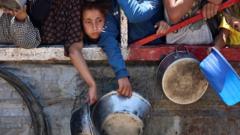
Facing mounting global pressure regarding starvation in Gaza, Israel has introduced aid airdrops and designated humanitarian corridors. However, these measures have met with skepticism from Hamas and international aid agencies, as many call for a more substantial approach to alleviate the dire situation in the region.
In a recent attempt to address rising international concerns about starvation conditions in Gaza, Israel's Defence Forces (IDF) announced several humanitarian measures aimed at improving the situation. These initiatives, described as improvements to the humanitarian response, included airdrops of aid and the establishment of designated humanitarian corridors. The United Arab Emirates air force subsequently conducted an aid airdrop following Israel’s initial effort.Hamas, the governing authority in Gaza, criticized these moves as disingenuous, labeling them a "deception" to mislead the international community regarding the humanitarian crisis. Despite claims from Israel that it is not hampering aid flow into Gaza, many allied nations, including those in Europe and the United Nations, argue otherwise. Reports indicate that over a thousand Palestinians have been killed while attempting to reach locations designated for aid distribution, and skepticism regarding the new humanitarian framework persists.The IDF’s recent announcements appear to be a response to intense diplomatic pressure, as European nations such as Britain, France, and Germany previously urged Israel to relax its restrictions on aid. Currently, Israel employs a new aid distribution system called the "Gaza Humanitarian Foundation" (GHF), marking a shift from the traditional United Nations-operated channels. However, the UN and other organizations have refused to work with the GHF, citing concerns over its militarization and efficiency. UN officials have decried the situation in Gaza as catastrophic and called for immediate improvements to aid distribution processes. They emphasized that for Israel’s added measures to have a meaningful impact, both transit times for trucks and humanitarian safety must be addressed urgently. The ongoing operations of the IDF raise concerns about the potential for further violations of humanitarian law.Criticism of Israel's actions is compounded by war crime allegations against Israeli leaders, who face warrants from the International Criminal Court related to starvation tactics and other potential human rights violations. While visual evidence of **aid airdrops** has been released, such methods are often regarded as a last-resort strategy in humanitarian efforts. Experts note that, although air-dropping aid can create a temporary feel-good narrative, it lacks the capacity to effectively address the deep-rooted hunger faced by many in Gaza. Historically, in similar crisis scenarios, aid drops have led to chaos and additional suffering, particularly in densely populated regions, with items often falling into the wrong hands or causing unintended harm.Ultimately, as the conflict continues, humanitarian organizations stress the urgency for a comprehensive ceasefire and the removal of barriers to facilitate uninterrupted aid access, a necessity for alleviating human suffering in Gaza.