In brief
Recent lookalike competitions featuring stars like Timothée Chalamet and Harry Styles are captivating audiences in the UK and US, fostering community and fun amidst a backdrop of celebrity worship and social anxiety.
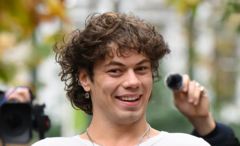
The recent surge in celebrity lookalike competitions has captivated young audiences across the UK and US, transforming what was once a niche pastime into a vibrant trend. These events are attracting hundreds who are eager to claim resemblance to heartthrobs like Harry Styles and Timothée Chalamet, often amid a mix of fun and social interaction.The craze ignited three weeks ago in New York with a contest dedicated to Timothée Chalamet, which even saw the real actor make a surprise appearance. It set a precedent that attracted similar gatherings in other cities, drawing enthusiastic crowds. Participants are lured by the prospect of brief fame alongside lighthearted cash prizes. As one contestant, Miles Mitchell, shared, his motive for entering was not only the allure of competition but also the chance for a budget-friendly day out with friends.Historically, the concept of impersonating celebrities isn’t new; shows like “Stars in Their Eyes” have been around for years. However, recent competitions predominantly feature appealing young men, shifting the focus of celebrity culture. Avani Johnson, a spectator at the Chalamet competition, proposed that this trend may highlight changing dynamics where women openly objectify famous men, alongside presenting an opportunity to confront traditional notions of beauty and charm.Oscar Journeaux, a winner from a Harry Styles lookalike contest, echoed sentiments that the motivation to participate often transcends mere resemblance; he leveraged the competition as an avenue for self-promotion in his music career. Another participant, Keenan Gregor, admitted to entering for the potential virality in a world where attention is currency.Journalist Katrina Mirpuri, who hosted a competition in Soho Square, noted how the event attracted a vast crowd eager for positivity during challenging times. Despite concerns of low attendance, the event flourished, underscoring a shared craving for genuine connections and laughter among young people in today’s often divided and stressful social media landscape.Others, like Jaipreet Hundal, who won a Dev Patel lookalike contest, expressed the joy derived from community interactions, stating the event was more about creating an enjoyable atmosphere than winning. The camaraderie fostered at these gatherings clearly resonates with participants and attendees alike, reinforcing their importance in today’s segmented society.In a lighthearted twist, Julyus Odreman’s resemblance to Zayn Malik has altered how he interacts with friends and strangers. Although he represents another celebration of celebrity culture, his experiences also underline the fantastical side of these lookalike events.As interest in lookalike contests continues to expand, they are prompting discussions on societal prospects, the quest for escapism, and the delight of unifying over fond shared experiences—even if that unifying factor is as simple as looking a bit like a pop star. The fun, community spirit, and humorous undertones keep these events thriving in an age of connectedness and individuality.