
In brief
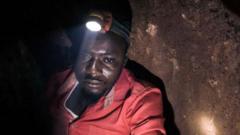
The Democratic Republic of Congo (DRC) has filed criminal complaints against Apple subsidiaries in France and Belgium, claiming that the tech giant is indirectly involved in utilizing conflict minerals. Representing the DRC government, lawyers assert that Apple benefits from minerals sourced from eastern regions of the DRC, which are often controlled by armed groups. According to reports, these groups finance their operations through the mining of tin, tantalum, and tungsten, creating a cycle of violence and human rights violations.
Apple has acknowledged the issues surrounding its supply chain, stating that it actively works to identify and mitigate risks associated with conflict minerals. The tech company claims adherence to international due diligence standards and emphasizes its commitment to ethical sourcing practices. However, the ongoing legal investigations in France and Belgium will determine if there is sufficient evidence to proceed with the case.The DRC has highlighted the grave consequences of the conflict minerals trade, including forced child labor and environmental degradation, stating that the current system allows these minerals to be "laundered" into broader international markets. In its defense, Apple notes that it removed 14 smelters and refiners from its supply chain due to non-compliance with responsible sourcing standards.This legal action underscores the long-standing issues in the mineral-rich regions of the DRC, where the global demand for these resources has led to severe social and economic repercussions, including prolonged armed conflict. Despite Apple’s ongoing efforts to regulate its supply chain, the complexities of the situation and the voices of rights groups continue to shed light on the challenges of responsible sourcing in conflict-prone areas.


