In brief
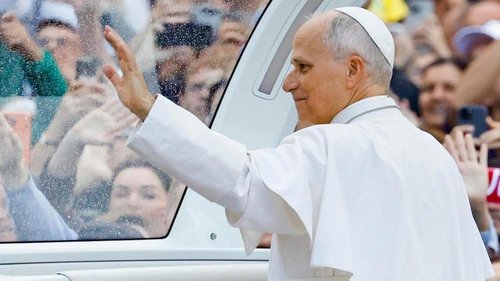
In the wake of Pope Francis' death at age 88, the Catholic Church's cardinals are converging at the Vatican for their first official meeting to plan for his funeral and the selection of a new pope. Renowned for his modest lifestyle, Francis expressed a desire for a simple burial rather than elaborate ceremonies. As the church prepares to say farewell to the beloved pontiff, the intricate process of appointing his successor will also commence, a task that involves a conclave of eligible cardinals.
Francis' death, which the Vatican attributed to a cerebral stroke, sparked immediate gatherings of cardinals called by Cardinal Giovanni Battista Re, the College of Cardinals' dean. The funeral rites, expected to last about nine days, are planned shortly after Francis is laid at rest in St. Peter’s Basilica. The upcoming conclave, hidden from public eyes, will allow the cardinals under 80 to cast their votes, ultimately shaping the future of the Catholic Church, which has over 1.3 billion followers globally.Political and religious dignitaries are anticipated to attend the funeral, reflecting on a drastically shifted political landscape since Francis' consecration in 2013, marked by rising authoritarianism. Speculation regarding his potential successors is abundant, with figures like Cardinal Pierbattista Pizzaballa, Cardinal Pietro Parolin, and others being discussed. The choice of the next pope could either continue Francis' progressive vision or steer back towards conservativism. As the church mourns, eyes remain fixed on who will lead it forward into the future.Pope Francis, remembered for his groundbreaking inclusivity and advocacy for marginalized communities, navigated significant changes throughout his pontificate, often surprising with his decisions and remarks. His legacy will influence the cardinals as they deliberate over the significant task ahead.