
In brief
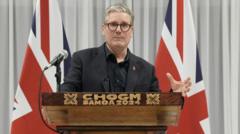
In a significant move, Commonwealth leaders have underscored the urgency for reparations discussions related to the transatlantic slave trade, a topic the UK government was keen to avoid during a recent summit in Samoa. A statement signed by 56 heads of government, including UK Prime Minister Sir Keir Starmer, recognizes the need for "meaningful, truthful and respectful conversations" on reparatory justice—somewhat of a softening from prior UK reluctance.
While Sir Keir emphasized that discussions did not involve financial reparations, he acknowledged the growing pressure from Commonwealth nations for the UK to either offer apologies or direct reparations for its historical role in slavery. As a result of this summit, there is potential for future dialogues to explore reparatory avenues, although recent UK positions affirm no current plans to pay reparations.The final communique from the summit noted that although the reparations dialogue was limited, it might pave the way for future engagements at the upcoming UK-Caribbean forum planned for March in London. Leaders like Frederick Mitchell of the Bahamas hope this forum will produce a detailed report on the reparations issue. Meanwhile, the next Commonwealth summit in two years is likely to place reparatory justice firmly on the agenda, as calls for accountability and reconciliation gain traction. The newly appointed Commonwealth secretary general, Shirley Ayorkor Botchwey, emphasized the importance of addressing these historical grievances while also advancing trade agreements among member countries. As countries navigate this sensitive subject, the ongoing discourse serves as a reminder of the haunting legacies of colonialism, while opening up avenues for necessary reparative actions, whether symbolic or financial.
