In brief
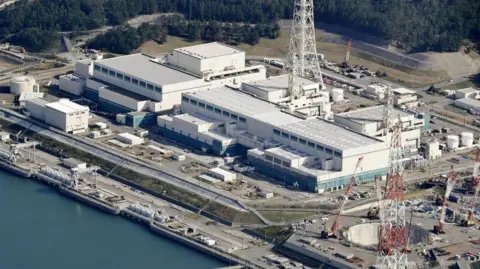
In the shadow of the ongoing effects of the Fukushima nuclear disaster, citizen scientists in Japan, led by locals like Tomoko Kobayashi, are actively measuring radiation levels in their environment. The Fukushima Daiichi nuclear plant disaster in 2011 still looms over the village of Tsushima, prompting residents to utilize survey meters and other devices to assess the safety of their surroundings, ensuring they can reclaim their home and health.
In Odaka, a small village near the Fukushima Daiichi nuclear plant, residents like 72-year-old Tomoko Kobayashi embark on routine expeditions during the warmer months to measure radiation levels around their homes. Using survey meters to detect gamma rays—evidence of radioactive particles released during the Fukushima disaster—they record readings at numerous locations. This initiative is crucial as the Japanese government's assurances claim the crisis has ended, a sentiment many in Odaka dispute.Kobayashi and her fellow citizen scientists not only collect data but also create detailed, color-coded maps that illustrate areas with varying levels of radioactivity across the region. This information is vital for both locals and visitors, providing transparency and empowerment in an environment fraught with invisible hazards. Sitting in her family's inn, which has been open for generations, she reflects on the new role of mastering radiation science to ensure safety in food consumption and daily life.While governmental resources lack the granularity needed for thorough radiation assessments, the grassroots efforts of these citizen scientists represent hope and resilience in a region still grappling with the long-term consequences of the 2011 nuclear disaster. Their work reaffirms their commitment to living in Odaka—as they say, “The only way to know for sure is to do the measuring ourselves.”