
In brief
A recent agreement between the US and UK aims to lower import taxes on selected British cars and certain metals, but retains a 10% duty on most imports, leaving analysts cautious about its impact on trade.
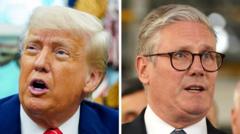
The United States has successfully reached an agreement with the United Kingdom to cut tariffs on a selection of British automobiles and permit a limited amount of steel and aluminum to enter the US market without additional taxes. This new arrangement comes in response to the significant tariffs imposed by President Donald Trump since taking office in January, bringing a sigh of relief to vital sectors in the UK economy. However, a 10% tariff will still be imposed on the majority of goods from the UK.While UK and US leaders described the deal as a milestone achievement, analysts suggest it doesn't drastically change the trade conditions established prior to Trump's recent tariffs. On Thursday, no formal agreement was ratified, and the details released by both administrations remained sparse.Speaking from a Jaguar Land Rover facility in the West Midlands, Labour Party leader Sir Keir Starmer referred to the agreement as a "fantastic platform," emphasizing the deal's significance for British businesses and jobs, particularly in the automotive and steel industries. Meanwhile, at the White House, Trump labeled the agreement as "great," countering assertions that he might have inflated its importance.What does the tariff agreement entail? The US has agreed to slash the import tariff on British cars—previously elevated to 25%—down to 10% for a quota of 100,000 vehicles annually. While this move benefits high-end car manufacturers like Jaguar Land Rover and Rolls Royce, it may restrict future growth given that this quantity reflects the UK's 2022 exports. UK Business Secretary Jonathan Reynolds highlighted the urgency of this agreement as it could have spared numerous job losses in the automotive sector.Tariffs on steel and aluminum have also seen adjustments, shifting from the 25% imposed earlier in the year to a quota-based system, which had been in place before. Both countries additionally consented to increase bilateral beef imports to 13,000 metric tonnes, dramatically increasing US beef sales to the UK after previously facing 20% tariffs.The US claims the deal could present a $5 billion opportunity for enhanced exports, including $700 million in ethanol and $250 million in agricultural products. US Agriculture Secretary Brooke Rollins articulated the deal's significance, but reactions varied among stakeholders.UK Steel director Gareth Stace welcomed the decision, viewing it as significant support for the steel industry. Other business representatives, however, noted mixed feelings; while the situation has improved, it is still less favorable than prior negotiations. Meanwhile, Labour members praised the outcomes, while opposition parties have called for more transparency and parliamentary oversight.Conservative Party leader Kemi Badenoch expressed scepticism over the agreement, arguing the UK made concessions without reciprocal benefits from the US. Liberal Democrats demanded parliamentary voting on the deal, stressing the importance of involving MPs in the process.Sir Ed Davey from the Liberal Democrats remarked that any trade agreement—especially under Trump's administration—requires careful scrutiny and precise details. Reform UK leader Nigel Farage viewed the changes positively, suggesting it indicates progress and a post-Brexit advantage.Although the US and UK have long been in talks regarding trade relations, the recent deal marks an essential shift in discussions but leaves some unresolved issues on the table. Trump continues to seek taxing pharmaceutical imports, which the UK has promised will not compromise local food safety standards. Economists advise caution, as essential details regarding this preferential treatment remain unclear, emphasizing that the impact of these negotiations is yet to unfold fully.

