In a significant climate change milestone, new data indicates that 2024 is the first calendar year to exceed the crucial 1.5C global warming threshold, according to the European Copernicus climate service. Despite promises from world leaders a decade ago to mitigate this rise, the global average temperature for the year is projected to be about 1.6C above pre-industrial levels. This figure breaks the previous record set in 2023 by over 0.1C.
Although surpassing the 1.5C mark for a single year does not mean the long-term average has been breached, the trend is alarming. People are beginning to experience “climate breakdown,” as stated by UN Secretary-General António Guterres, who emphasized the urgent need for nations to significantly cut emissions of greenhouse gases by 2025.
With the past decade marking the 10 warmest years on record, the findings illustrate the overwhelming impact of human activities, primarily fossil fuel emissions, on global temperatures. Natural phenomena, like El Niño—warmer surface waters in the eastern Pacific—briefly contributed but remains a minor player in the larger trend driven by human actions. Samantha Burgess, deputy director of Copernicus, reiterated that greenhouse gas concentrations are the dominant factor affecting climate changes.
The 1.5C temperature threshold has become an essential benchmark in international climate discussions since the Paris Agreement in 2015. Countries vulnerable to climate change view it as vital for survival, as risks escalate significantly with each additional degree of warming. For example, at 2C, the likelihood of dangerous climate-related impacts, such as intense heatwaves and rising sea levels, increases dramatically.
Predicting when the long-term 1.5C threshold will be crossed remains elusive, but researchers suggest that current trends could lead to this milestone being surpassed by the early 2030s. Despite the concerning trajectory, climate scientists like Myles Allen and Zeke Hausfather caution that every fraction of a degree matters, as they contribute to worsening climate-related phenomena.
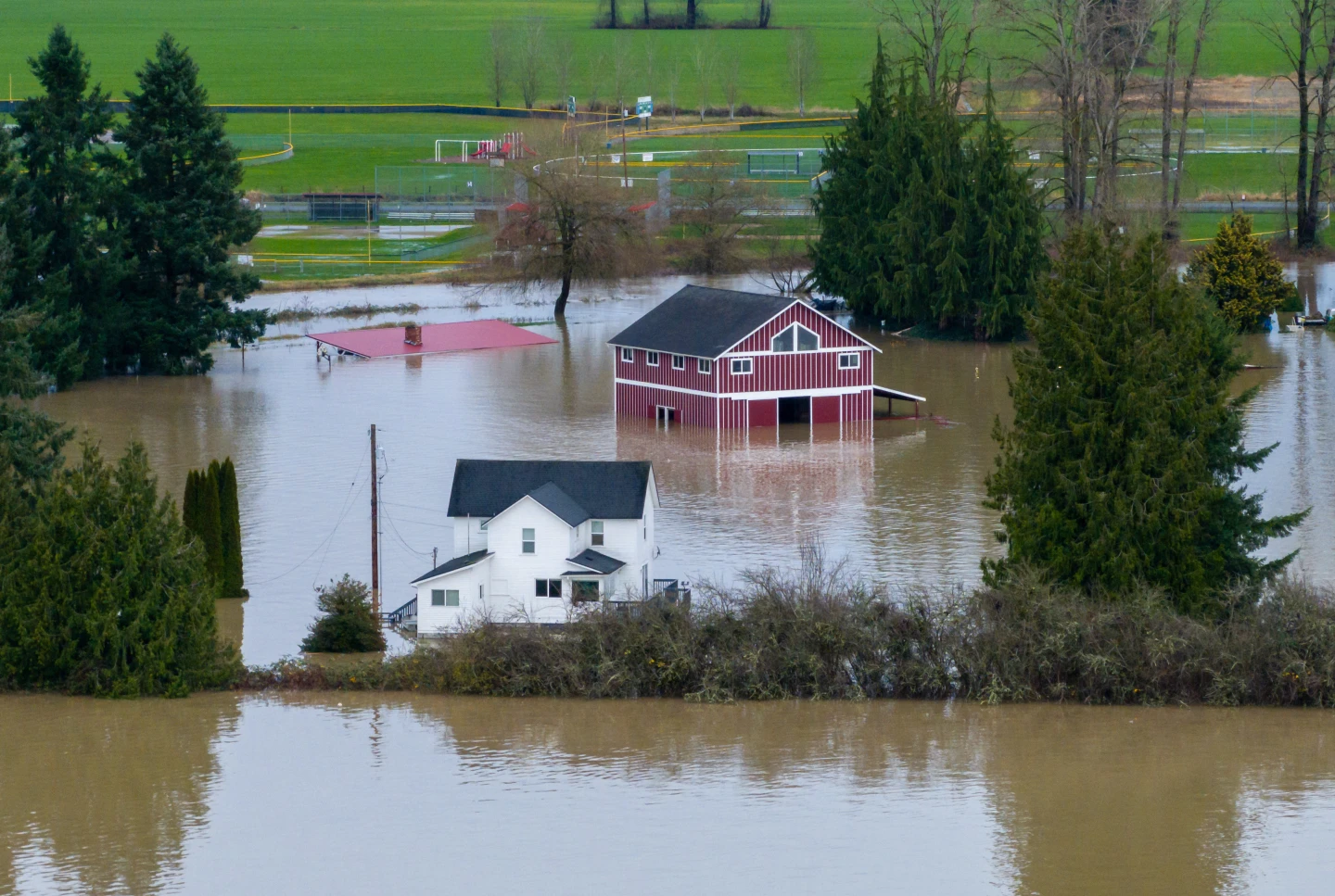
Throughout 2024, numerous extreme weather events were observed, including record-high temperatures across West Africa, drought in South America, and severe storms in North America and South Asia. Meanwhile, California faced destructive wildfires exacerbated by dry conditions overwhelmingly attributed to warming trends.
These extreme weather events are not isolated; they are part of a larger pattern driven by climate change, as confirmed by the World Weather Attribution group. Additionally, every crucial measure of our climate system, from sea surface temperatures to atmospheric moisture levels, recorded unprecedented highs.
Despite indications of an acceleration in warming, the scientific community maintains confidence in humanity's ability to influence future climate outcomes. Experts argue that substantial reductions in emissions could mitigate warming to levels between 1.6C and 1.8C this century, which would greatly reduce the severity of climate impacts compared to the worst-case scenarios of 3C or 4C increases.
As 2024 continues to break records, the call for immediate action is louder than ever, underscoring the urgency for global cooperation in tackling climate change effectively and responsibly.