
In brief
More than 100 international aid organizations, including Médecins Sans Frontières (MSF) and Oxfam, are sounding alarms over severe malnutrition and starvation in Gaza, with their latest statements highlighting the dire conditions facing the population.
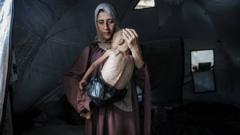
As humanitarian groups warn of mass starvation, the situation in Gaza grows increasingly critical. Over 100 organizations, including Save the Children and Oxfam, have expressed alarm at the rapid deterioration of health due to insufficient food supplies. Their joint statement reported that the people they serve are "wasting away," underlining the urgent need for governmental action. Despite these warnings, Israel has dismissed the statement as propaganda, labeling the organizations as proponents of Hamas ideology. Meanwhile, Gaza's health ministry reported an increase in deaths attributable to malnutrition, with the toll reaching 43 since Sunday. Concerns grow as hospitals witness severe exhaustion cases, and individuals are collapsing in public due to hunger.An aid worker noted the extreme lengths to which humanitarian teams are going, asserting that they too are now reliant on the same food lines to feed their families. The joint statement from humanitarian organizations points to the blockade imposed by Israel, which has severely restricted access to essential food, medicine, and fuel over the last few months. The blockade, first implemented in March, was partially lifted temporarily, but conditions have worsened significantly since then.The World Health Organization (WHO) reports that a staggering quarter of Gaza's population is facing famine-like conditions, while an estimated 100,000 women and children are suffering from serious malnutrition. Dr. Tedros Adhanom Ghebreyesus emphasized that the food crisis is artificially induced by the blockade.Healthcare facilities report unprecedented rates of acute malnutrition, particularly among vulnerable groups, and prices for essential food commodities have skyrocketed. One resident lamented the high cost of basic staples, reflecting the desperation faced by families struggling to meet their daily needs.In a grim statistic, the UN reported that over 1,050 Palestinians have been killed while seeking food since late May. Israeli military officials assert their operations align with international laws, claiming they permit aid entry while preventing resources from reaching hostile entities. However, the data provided by the UN presents a different reality, and accusations of deceit about aid distribution are rampant. Despite numerous supply bottlenecks, humanitarian organizations report the existence of plenty of untapped resources due to access restrictions, which continue to hamper aid delivery efforts. The UN insists on its obligation under international law to ensure that humanitarian assistance reaches all affected populations, a point repeatedly highlighted in recent briefings.As the crisis unfolds, humanitarian organizations are calling for decisive global intervention, including an immediate ceasefire and complete unblock of humanitarian aid routes. In their statement, they provide an urgent plea for an impartial, UN-led humanitarian response to restore safety and accessibility of life-saving aid to the people of Gaza. Israel’s foreign ministry has vehemently rejected these claims, asserting that humanitarian agencies are undermining the peace process and perpetuating the conflict. The ongoing conflict, marked by escalating violence, has resulted in significant casualties across the region, with recent assessments noting over 59,000 fatalities in Gaza alone since the conflict’s outbreak in October. The humanitarian situation remains dire, highlighting the urgent need for intervention to protect vulnerable populations.
