
In brief
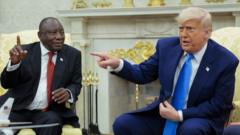
President Cyril Ramaphosa's recent confrontation with Donald Trump was marked by accusations of white genocide but showcased Ramaphosa's calm diplomacy. While back home he grapples with a weak coalition government, high unemployment, and corruption, the encounter may ultimately bolster his standing in South Africa, reinforcing the value of his leadership during turbulent times.
South African President Cyril Ramaphosa's recent diplomatic trip to Washington took a dramatic turn when he faced off with former President Donald Trump. Instead of fostering a new era of cooperation, the meeting devolved into a public exchange filled with insults, spotlighting unfounded claims about a "white genocide" in South Africa.Despite the harsh criticism from Trump, who targeted Ramaphosa with accusations and dubious videos, many South Africans praised the president for maintaining his composure under pressure. However, the long-standing difficulties awaiting Ramaphosa upon his return to South Africa cannot be overlooked. The African National Congress (ANC), which leads a fragile coalition government with ten other parties, faces growing challenges, including internal disputes over key legislative reforms and economic issues.South Africa is grappling with a stagnant economy, rising crime and corruption, and dysfunctional public services. The ANC's waning popularity and the looming 2027 elections are adding to the pressure, with factions within the party vying for control. Critics like Julius Malema from the Economic Freedom Fighters (EFF) have become increasingly vocal, linking themselves to Trump's controversial statement.Facing these domestic pressures, Ramaphosa's pursuit of a trade deal with the U.S. has become urgent, as the country's access to the American market through the African Growth and Opportunity Act (AGOA) hangs in the balance. He emphasized to Trump the need for U.S. investment to tackle South Africa's pressing unemployment problem.While the contentious dialogue was overshadowed by Trump's incendiary remarks, some analysts believe the encounter may ultimately benefit Ramaphosa. His presence in such a high-stakes environment could remind South Africans of his diplomatic skills and central role in the country's history, reminiscent of iconic leaders like Nelson Mandela.Despite criticisms of indecisiveness, Ramaphosa's ability to stay steady in tense situations could resonate positively with the public. Surveys have indicated a "Ramaphosa Effect," with a belief that he remains vital for the ANC’s support despite widespread impatience regarding the country's problems.Further, the optics of the meeting—with support from South African business leaders—may reflect a united front in contrast to Trump's insults. This display could lend credibility to the government of national unity, portraying South Africa as a stable partner despite facing significant challenges.As political dynamics shift in the wake of this diplomatic encounter, Ramaphosa faces the task of recalibrating his strategies at home while navigating ongoing pressures from both allies and critics. The fallout of this high-profile exchange could redefine his leadership, holding the potential to invigorate the ANC's position amid turmoil.In the wake of this intense week, Ramaphosa is likely to reflect on the implications of his meeting with Trump and strategize to manage the complex landscape of South African politics moving forward.


