In brief
The first of two debates showcased leaders addressing urgent economic challenges, including tariffs, housing crises, and immigration, with the Liberal leader Carney under scrutiny.
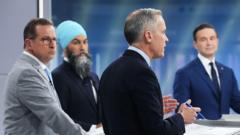
Wednesday's French-language debate marked a critical juncture in Canada's federal election campaign as leaders of the four major parties confronted challenges posed by US President Donald Trump. The televised event gave each leader an opportunity to connect with voters, particularly in the crucial province of Quebec. Liberal leader and current Prime Minister Mark Carney, although slightly leading in polls, faced major challenges articulating his positions in French and defending his party’s record against pointed criticisms from his rivals.Moderated by Radio-Canada's Patrice Roy, the discussion quickly shifted from leaders’ campaign promises to the contentious trade dynamics with the US. Trump's aggressive tariffs on Canadian goods have become a focal point. Conservative leader Pierre Poilievre accused the Liberal government of weakening Canada’s economic position over the last decade, making claims that responses to Trump's tactics were vital for protecting Canadian jobs. Carney retorted with his credentials as a former central banker, highlighting his understanding of global economies.NDP leader Jagmeet Singh criticized both the Conservatives and Liberals for favoring the wealthy through tax cuts when working-class Canadians feel the pinch from US tariffs. As tensions heightened, Carney’s grasp of French became a topic of concern—he struggled throughout the debate, which could impact his campaign's effectiveness in the French-speaking province.The leaders discussed pressing issues beyond Trump, including Canada’s housing crisis and energy policies. Poilievre promised to reduce taxes and regulations to boost housing supply, challenging Carney's proactive stance on climate change, which advocates for "low-risk" oil production initiatives. They also mutually recognized the need for a cohesive strategy on immigration to manage the growing population and the influx of asylum seekers, exacerbated by changing US policies.Notably absent was the Green Party, disqualified from the debate for not meeting specific candidate support criteria. This decision prompted criticism from Green co-leader Jonathan Pedneault, who deemed the commission's ruling "baseless" and "undemocratic." Furthermore, the debate timing was adjusted to accommodate a crucial NHL playoff game, underscoring the intersection of sports and politics in Canadian culture.As Canadians prepare to cast their votes on April 28, the stakes are high for all party leaders, but especially for Carney, whose ability to rally support in Quebec will be critical for his party's chances in the election. The next debate, scheduled for Thursday evening in English, promises to further illuminate the candidates' strategies and their responses to the pressing issues facing Canadians today.