
In brief
Data from the Metropolitan Transportation Authority reveals a significant drop in vehicle entries following the launch of the congestion charge, with a notable decline in rush hour traffic.
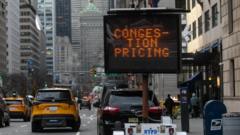
As of January 5, New York City has experienced a substantial decrease in traffic levels, attributed to the implementation of a congestion pricing model. According to the Metropolitan Transportation Authority (MTA), approximately 273,000 fewer vehicles accessed the central business area during weekdays, representing a 7.5% reduction compared to previous January figures without the fee. The congestion charge, which is the first of its kind in the United States, levies a daily fee of $9 on car drivers, with rates varying based on vehicle size and time of day.The congestion zone encompasses the bustling areas south of Central Park, including key attractions like the Empire State Building and Times Square. Janno Lieber, MTA chairman, noted that preliminary data supports New Yorkers' sentiment regarding the alleviated traffic, indicating safer streets and improved bus speeds. The enhancements are particularly noticeable during morning commutes, as motorists encounter less congestion, optimizing transit times.The fee structure charges most standard vehicles $9 during peak hours and $2.25 at other times. In addition, small trucks and non-commuter buses face a $14.40 entry fee during peak hours, while larger trucks and tourist vehicles incur a higher charge of $21.60.Despite the positive initial response, the scheme has not been without controversy. Prominent opposition has emerged, notably from President-elect Donald Trump, who has expressed intentions to dismantle the initiative upon taking office. Last year, New York City was designated the most congested urban area globally for the second consecutive time by INRIX, a traffic analytics company, highlighting the need for such reforms in managing city traffic.

