
In brief
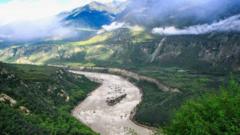
China has formally approved the construction of a monumental hydropower dam on the Yarlung Tsangpo river in Tibet, expected to become the largest in the world. The project promises a capacity three times that of the current largest, the Three Gorges Dam. Chinese state media heralds the initiative as a significant contribution towards ecological sustainability and local economic growth. However, human rights organizations and experts are raising alarms about potential consequences, primarily the displacement of local Tibetan communities and adverse effects on already vulnerable ecosystems in the area, which is renowned for its biodiversity.
Concerns over community displacement echo previous incidents where hydropower projects have led to significant tensions in Tibet, a region tightly controlled by the Chinese government since its annexation in the 1950s. Past protest activities have resulted in crackdowns by the authorities, with reports of injuries and arrests among demonstrators opposing similar projects. Activists claim that these developments exemplify ongoing exploitation of Tibetans and their land by the Chinese state. Recently, the Gangtuo dam sparked protests that resulted in severe civil unrest, including accusations of brutal police actions.Chinese statements suggest that the Yarlung Tsangpo dam will not have a major environmental impact, but details on potential displacements remain scarce. Comparatively, the construction of the Three Gorges Dam required the resettlement of approximately 1.4 million people. The scope of the Yarlung Tsangpo project is massive, involving more than 20 km of tunnels to reroute the river and control its flow — a move that could amplify China's leverage over water resources shared with India and Bangladesh. In response to these developments, India is exploring its own hydropower projects to mitigate potential impacts from the Chinese dam. Previous government officials have publicly expressed concerns over China's control over river flows affecting India's agricultural and economic landscape. An extensive report highlighted the potential of the dam to impact the economies of neighboring countries by creating a "chokehold" on water resources.Despite the innovative engineering aimed at tapping into the river's power, its construction takes place amid significant geological risks, as the dam site is near an earthquake-prone area. Experts warn that the nature of the excavation could lead to an increase in landslides, impacting the project and surrounding environments. Estimated costs for this ambitious endeavor are staggering, potentially reaching up to a trillion yuan ($127 billion), reflecting the immense investment into this ambitious yet controversial plan. Ultimately, as China moves forward with its ambitious hydroelectric plans, the implications for local communities, ecosystems, and regional geopolitics will be closely scrutinized by stakeholders within and beyond its borders.
