
In brief
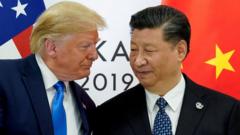
In a statement on his social media platform, Trump declared a deal with China concerning rare earth metals, following two days of discussions aimed at reducing tensions. This agreement, pending approval from both leaders, maintains aspects of a prior truce while officials suggest further negotiations are needed for a more comprehensive resolution.
In a recent development that signals a step forward in U.S.-China relations, President Donald Trump has claimed a deal has been reached regarding rare earth elements and magnets during talks held in London. He asserted that China has consented to supply U.S. companies with these vital components while the U.S. would ease threats to revoke visas for Chinese students. "Our deal with China is done, subject to final approval from President Xi and me," Trump posted on his Truth Social platform.This announcement followed intense negotiations that occurred after a truce declared in May, which aimed to stabilize trade between the two economic giants amidst escalating tariffs. Trump's discussions with Xi Jinping via phone last week revitalized the negotiations that involved senior officials from both nations. While specifics of the agreement were sparse, Chinese Vice Commerce Minister Li Chenggang noted a framework had been established to implement the consensus from their dialogue.U.S. Commerce Secretary Howard Lutnick confirmed the parties had agreed to a structure to enforce the earlier Geneva consensus reached in June. "Once the presidents approve it, we will then seek to implement it," he remarked optimistically. The underlying objective of these talks reflects U.S. frustrations over China's hesitance in exporting necessary rare earth minerals, crucial for manufacturing technologies such as electric vehicles and smartphones.On the flip side, China criticized the U.S. for its restrictions on semiconductor access and the administration's visa plans which impact students. Lutnick suggested that there would be a rollback of certain U.S. countermeasures, although he lacked details on what these entailed.Despite the enthusiasm, Treasury Secretary Scott Bessent expressed that these talks did not signify swift resolution, indicating a comprehensive deal would take considerable time to achieve. The backdrop of U.S. tariffs imposed earlier this year saw a reciprocal increase from China, leading to further tensions. The May negotiations had established a temporary truce, adjusting tariffs significantly, yet claims of breaches from both sides have hindered progress.Trump mentioned in his social media announcement an intention to keep tariffs on Chinese goods at 55%, which includes new tariffs from his initial term. Market reactions appeared tepid, with experts deeming the deal limited in scope and suggesting it barely moves towards a broad trade resolution or geopolitical harmony.
