In a landmark decision, a US appeals court has determined that Pedro Hernandez—a man convicted in the tragic 1979 murder and disappearance of six-year-old Etan Patz—should either receive a new trial or be released. The ruling comes as part of the lengthy investigation into Patz's disappearance, which captured national attention and instigated significant public awareness about missing children.
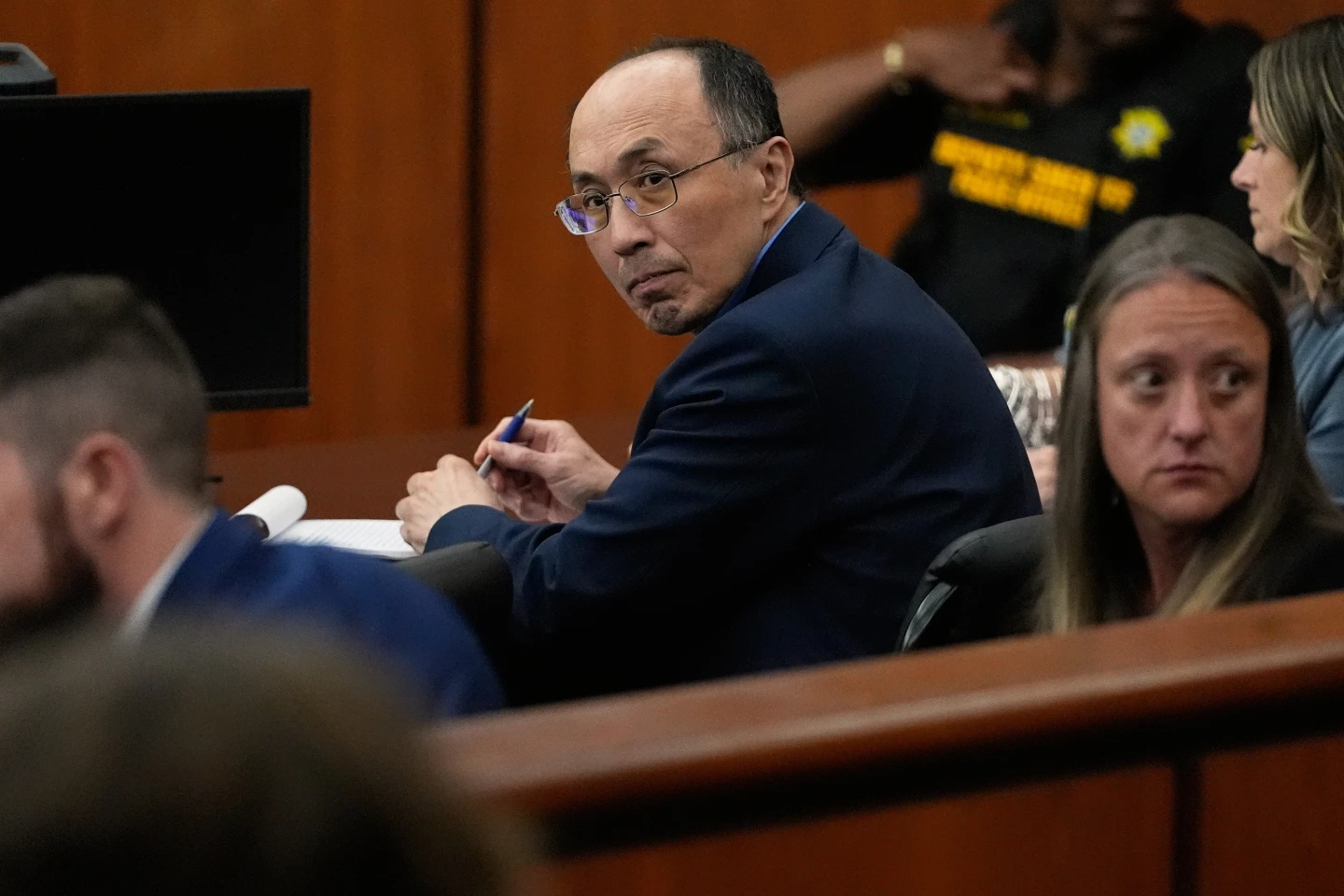
Hernandez, a convenience store owner, was convicted of Patz's murder in 2017 following a previous trial in 2015 that resulted in a hung jury. Initially, he confessed to police that he had lured Patz into a basement under the premise of offering him a drink, where he allegedly then attacked him. However, Hernandez's confession is at the center of the current controversy.
In his appeal, Hernandez contended that the jury was given flawed instructions that contradicted established US Supreme Court rulings and adversely affected the trial's outcome. The Second Circuit Court of Appeals agreed, stating in their ruling that the trial court's errors were significant and not harmless enough to ignore.
A spokesperson for the Manhattan District Attorney’s office noted they are currently reviewing the appeals court’s decision, which has reignited interest in this decades-old case. The memory of Etan Patz’s case loomed large in New York and beyond, as authorities launched extensive campaigns showing the boy's likeness on milk cartons and posters during the search.
Despite Hernandez's alarming confession made during extensive questioning by law enforcement, the appeals court highlighted his documented history of mental health issues and low IQ as factors that could potentially undermine the reliability of his statements. The crux of the appeal hinged on how jury instructions regarding his confessions were administered. Jurors sought clarification on whether they should disregard later confessions if they deemed the initial confession involuntary, but the judge instructed them otherwise.
In light of these revelations, Hernandez's attorney expressed gratitude for the court's decision, emphasizing the need for the focus to shift back to finding the true perpetrators behind Patz's disappearance. The implications of this ruling may lead to significant developments in a case that has haunted investigators and influenced discussions on child safety and legal processes for decades.
Hernandez, a convenience store owner, was convicted of Patz's murder in 2017 following a previous trial in 2015 that resulted in a hung jury. Initially, he confessed to police that he had lured Patz into a basement under the premise of offering him a drink, where he allegedly then attacked him. However, Hernandez's confession is at the center of the current controversy.
In his appeal, Hernandez contended that the jury was given flawed instructions that contradicted established US Supreme Court rulings and adversely affected the trial's outcome. The Second Circuit Court of Appeals agreed, stating in their ruling that the trial court's errors were significant and not harmless enough to ignore.
A spokesperson for the Manhattan District Attorney’s office noted they are currently reviewing the appeals court’s decision, which has reignited interest in this decades-old case. The memory of Etan Patz’s case loomed large in New York and beyond, as authorities launched extensive campaigns showing the boy's likeness on milk cartons and posters during the search.
Despite Hernandez's alarming confession made during extensive questioning by law enforcement, the appeals court highlighted his documented history of mental health issues and low IQ as factors that could potentially undermine the reliability of his statements. The crux of the appeal hinged on how jury instructions regarding his confessions were administered. Jurors sought clarification on whether they should disregard later confessions if they deemed the initial confession involuntary, but the judge instructed them otherwise.
In light of these revelations, Hernandez's attorney expressed gratitude for the court's decision, emphasizing the need for the focus to shift back to finding the true perpetrators behind Patz's disappearance. The implications of this ruling may lead to significant developments in a case that has haunted investigators and influenced discussions on child safety and legal processes for decades.