
In brief
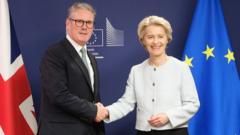
In early 2025, Prime Minister Sir Keir Starmer is set to attend an informal summit with EU leaders, marking a significant development in UK-EU relations following the tense Brexit negotiations. The summit will focus on enhancing cooperation in defense and security amid rising global tensions, including conflicts in Ukraine and the Middle East and fears surrounding a potential Donald Trump presidency in the US, which threatens to impose tariffs that could disrupt trade.
This evolving backdrop highlights the shared values between the UK and EU during uncertain times, prompting discussions about future cooperation. Starmer’s Labour government has committed to an "ambitious reset" of relations with Europe, emphasizing the importance of collaboration on various issues such as economy, defense, and immigration. Diplomatic efforts have increased recently, with visits and discussions among high-ranking officials further signaling a shift in approach.However, skepticism remains regarding how much the UK is willing to negotiate. EU diplomats express concerns over the Labour government's insistence on maintaining post-Brexit restrictions while pursuing an ambitious agenda. Clarifying these positions will be crucial to achieving meaningful advancements in economic relations, with both sides needing to consider compromises.Experts view defense cooperation as a viable first step towards rebuilding ties, as existing alliances under NATO facilitate discussions on security measures. Yet, the UK’s ambition to revitalize trade while adhering to hard Brexit lines might complicate progress, as the EU is cautious about offering concessions without reciprocation from the UK.Significantly, Brussels is pushing for tangible agreements, including fishing rights and a proposed Youth Mobility Scheme, despite the Labour government's declared opposition to free movement. Negotiations surrounding these agreements could serve as leverage for broader trade discussions, particularly regarding mutual recognition of qualifications and agricultural trade arrangements.As climate cooperation and illegal migration form additional areas of concern, public sentiment in both regions appears more progressive than political leaders. Polls indicate a majority of voters wish to enhance ties with Europe for economic and security benefits, reflecting an appetite for flexibility that could influence upcoming negotiations.In this dynamic environment, the question remains whether UK and EU leadership can align with the public’s desire for improved relations to confront global challenges effectively.

