In brief
The 6.0 magnitude earthquake that hit Afghanistan on August 31 has devastated 49 villages, destroying over 5,230 homes and reportedly killing at least 2,200 people. The UN warns that nearly 500,000 individuals, mainly children, are affected as access to the hardest-hit regions remains severely limited. The situation is exacerbated by potential disease outbreaks and impending winter conditions, prompting the UN to issue a critical emergency appeal for aid.
UNITED NATIONS (AP) — The United Nations has released an initial assessment of the catastrophic earthquake that struck Afghanistan recently, revealing that over 5,230 homes were destroyed and 672 others sustained damage across 49 villages. However, many areas remain inaccessible for assessment due to treacherous roads and ongoing aftershocks.
Coordination chief for the UN humanitarian office in Afghanistan, Shannon O'Hara, discussed the challenges faced by relief teams during a recent press briefing. The earthquake, registering 6.0 in magnitude on August 31, has claimed at least 2,200 lives, with the possibility of further increases as recovery efforts continue. Alarmingly, nearly 500,000 people, more than half of whom are children, are affected.
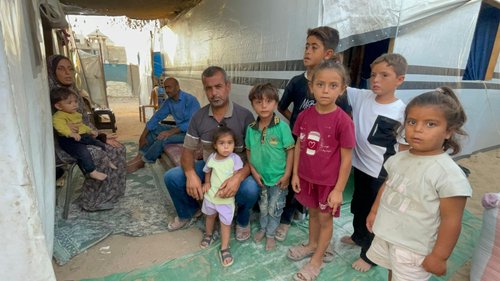
O'Hara shared her experience struggling to reach the worst-hit areas where roads have been obstructed by landslides. Many villagers are still attempting to flee, carrying their belongings as they seek refuge. The damage to entire communities is overwhelming, with families now living in makeshift tents and many without clean drinking water.
Additionally, sanitation conditions are dire, raising concerns over possible cholera outbreaks. O'Hara emphasized the urgent need for clean water, food, and appropriate winter clothing as cold weather approaches.
With critical actions necessary before winter sets in, the UN plans to issue an emergency appeal for aid in light of the mounting needs faced by these vulnerable communities.