
In brief
Despite the optimistic note from Hamas, the Israeli military's operations continue, highlighting the complexity of achieving peace.
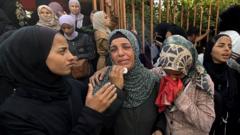
Hamas has announced it has provided a "positive response" to mediators regarding a new Gaza ceasefire plan and hostage release suggested by the US. The group expressed its willingness to engage in negotiations promptly. While it has not yet confirmed acceptance of the proposal, former President Donald Trump indicated he anticipates a response from Hamas within a day. He noted earlier that Israel had agreed to fundamental conditions for a proposed 60-day ceasefire, during which both sides would work towards ending the prolonged conflict that has lasted for 20 months.This ceasefire plan reportedly includes provisions for the staggered release of living Israeli hostages and the return of 18 deceased hostages in exchange for Palestinian prisoners held in Israeli facilities. There remain approximately fifty hostages in Gaza, with at least twenty believed to be alive. One pivotal demand from Hamas is the resumption of essential food and medical aid into Gaza, which the proposal suggests would be facilitated by the United Nations and Red Cross.In addition, the framework reportedly outlines a gradual Israeli military withdrawal from certain areas of Gaza and stipulates guarantees that Israeli attacks will cease following the 60-day period. Initial negotiations on a permanent end to the conflict and the release of the remaining hostages would commence immediately. A favorable response from Hamas may rekindle formal indirect negotiations, just ahead of a scheduled visit by Israeli Prime Minister Benjamin Netanyahu to Washington.Meanwhile, Israeli military operations continue unabated. Reports from the Hamas-controlled Gaza health ministry indicate that Israeli air strikes have led to the deaths of at least 138 Palestinians in a single day. Notably, at least 15 individuals lost their lives in strikes on makeshift encampments for displaced persons in Khan Younis, one of whom was a thirteen-year-old girl mourning her brother's death.The ongoing violence has drawn ire from humanitarian organizations. The Red Cross condemned an incident where one of its staff members was hit by a stray bullet during operations in Gaza. Similarly, medical charity Médecins Sans Frontières reported the death of a colleague during an Israeli attack while aid seekers were awaiting supplies.In Tel Aviv, families of the hostages organized a rally advocating for a comprehensive agreement that secures the release of all those still in captivity. Seven weeks since the beginning of the current hostilities—marked by the October 7 attack that resulted in numerous casualties and kidnappings—the fate of hostages looms large for many Israelis. Despite assurances from Netanyahu that the goal remains the return of all hostages, points of contention persist, particularly regarding the cessation of military action. Netanyahu's military campaign originated as a response to a Hamas-led attack on October 7, which resulted in roughly 1,200 Israeli deaths and 251 abductions. Since then, fatalities in Gaza have reached alarmingly high figures, exceeding 57,130 according to local health ministry reports. As the situation continues to evolve, the prospect of peace hangs delicately in the balance, with both parties facing immense pressure from their respective constituencies.
