More than three million children globally lost their lives to infections linked to antibiotic resistance in 2022, according to a comprehensive study by health experts. The findings point to a significant public health crisis, with vulnerable children in regions such as Africa and South East Asia being disproportionately affected. Antimicrobial resistance (AMR) arises when bacteria evolve, rendering antibiotic treatments ineffective, a trend identified as one of the most pressing health threats today.
The study combined data from credible sources like the World Health Organization (WHO) and the World Bank, indicating a striking increase in drug-resistant infections among children over the past three years. Experts suspect that the COVID-19 pandemic exacerbated this situation due to an uptick in antibiotic use during that period.
Antibiotics are essential for treating a variety of bacterial infections, from minor skin issues to serious pneumonia, yet they do not work against viral illnesses. The report highlighted the alarming rise in the use of "watch" antibiotics, meant to be reserved for critical cases, which surged by 160% in South East Asia and 126% in Africa from 2019 to 2021. The use of "reserve antibiotics," which are last-resort measures for multidrug-resistant infections, also saw a substantial rise during this time.
The authors caution that if bacteria continue to develop resistance to existing antibiotics, treatment options for severe infections may dwindle significantly. Professor Herb Harwell, one of the study's leading authors, emphasized the urgent need for global awareness of this issue, particularly concerning its severe impact on children.
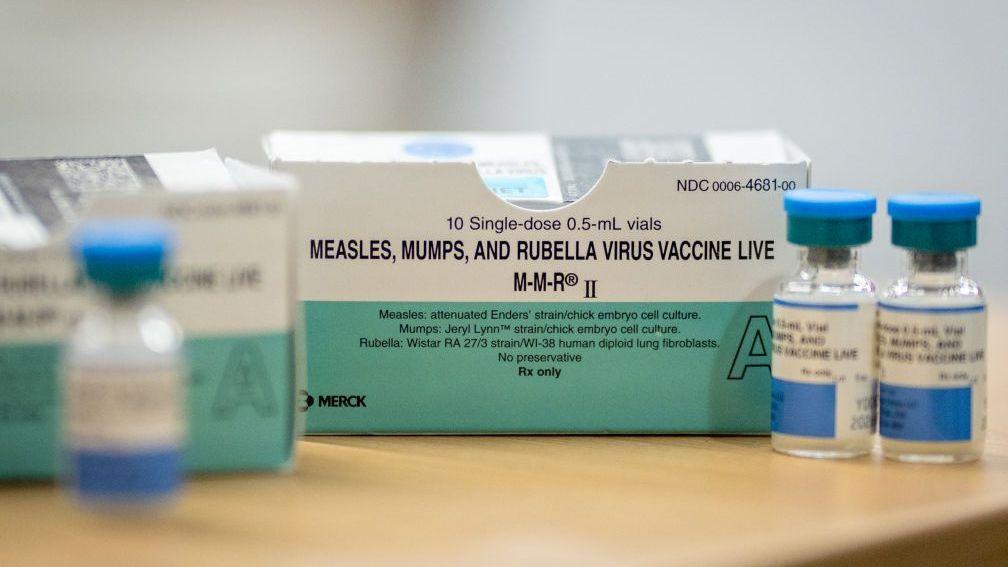
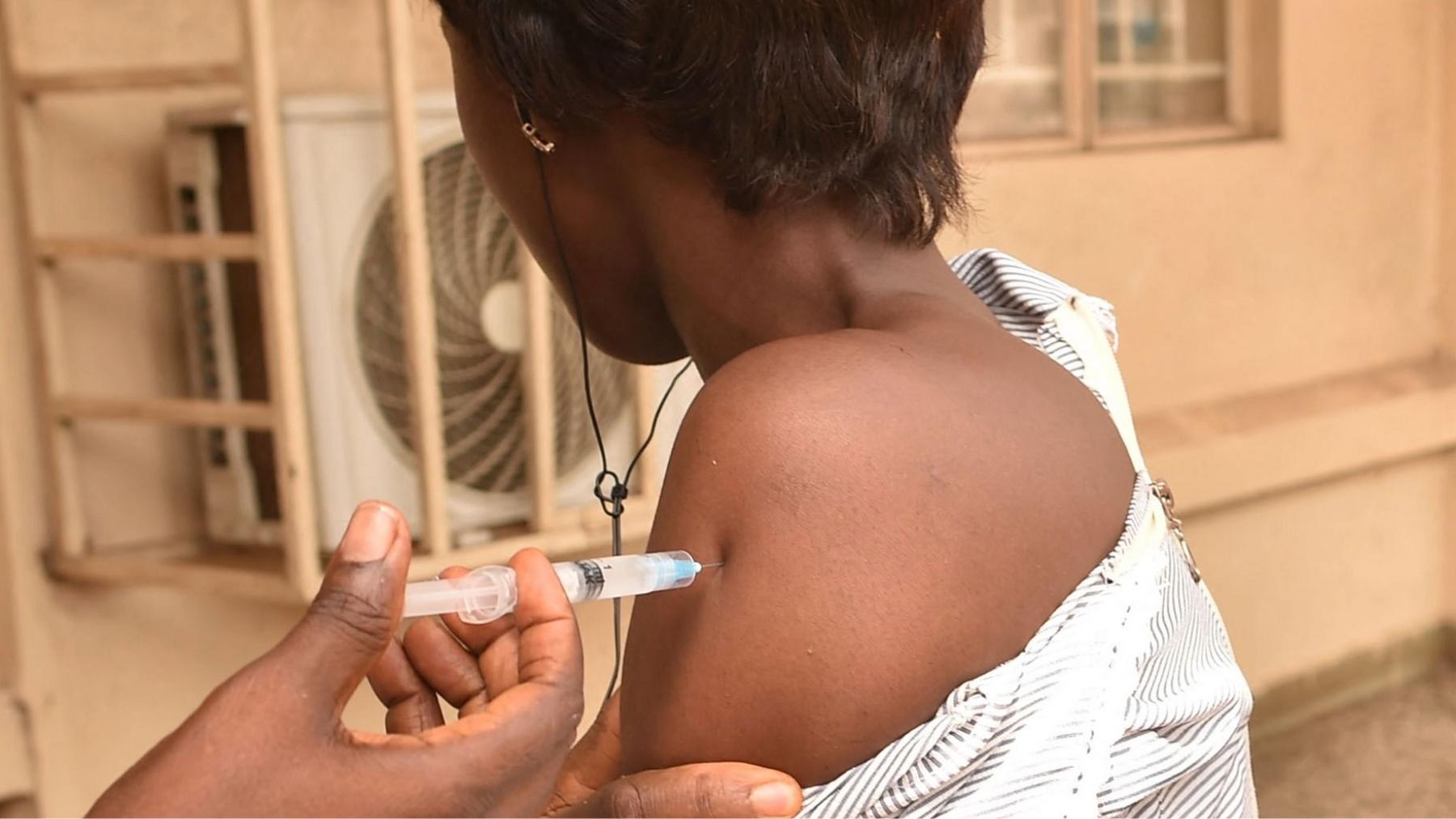
Solutions to combat AMR are complex and require a multi-faceted approach, as noted by experts at the upcoming Congress of the European Society of Clinical Microbiology and Infectious Diseases. They stress the importance of immunization, sanitation, and hygienic practices to prevent infections before they escalate.
Dr. Lindsey Edwards, a microbiology lecturer, highlighted that these findings should prompt immediate global health action to prevent a reversal of the advances made in child health across vulnerable populations. Without decisive action, AMR risks negating hard-won progress in public health, especially in regions with limited healthcare resources.
The study combined data from credible sources like the World Health Organization (WHO) and the World Bank, indicating a striking increase in drug-resistant infections among children over the past three years. Experts suspect that the COVID-19 pandemic exacerbated this situation due to an uptick in antibiotic use during that period.
Antibiotics are essential for treating a variety of bacterial infections, from minor skin issues to serious pneumonia, yet they do not work against viral illnesses. The report highlighted the alarming rise in the use of "watch" antibiotics, meant to be reserved for critical cases, which surged by 160% in South East Asia and 126% in Africa from 2019 to 2021. The use of "reserve antibiotics," which are last-resort measures for multidrug-resistant infections, also saw a substantial rise during this time.
The authors caution that if bacteria continue to develop resistance to existing antibiotics, treatment options for severe infections may dwindle significantly. Professor Herb Harwell, one of the study's leading authors, emphasized the urgent need for global awareness of this issue, particularly concerning its severe impact on children.
Solutions to combat AMR are complex and require a multi-faceted approach, as noted by experts at the upcoming Congress of the European Society of Clinical Microbiology and Infectious Diseases. They stress the importance of immunization, sanitation, and hygienic practices to prevent infections before they escalate.
Dr. Lindsey Edwards, a microbiology lecturer, highlighted that these findings should prompt immediate global health action to prevent a reversal of the advances made in child health across vulnerable populations. Without decisive action, AMR risks negating hard-won progress in public health, especially in regions with limited healthcare resources.