
In brief
Fast Retailing's Tadashi Yanai asserts the company's commitment to transparency amid rising global concerns over forced labor linked to Xinjiang cotton, while facing challenges in maintaining a balance between US and Chinese markets.
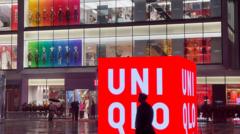
The head of global fashion powerhouse Uniqlo, Tadashi Yanai, clarified in an interview with the BBC that the company does not source cotton from China's Xinjiang region, marking a significant stance on a contentious issue surrounding human rights and labor practices. This announcement arrives as Uniqlo thrives in China, operating around 1,000 stores in the region, which serves as both a vital consumer market and manufacturing epicenter.Formerly lauded for its high-quality cotton, Xinjiang's textile industry has come under scrutiny following allegations of forced labor involving the Muslim Uyghur minority. The imposition of strict U.S. regulations in 2022 fueled a broader movement, leading prominent brands such as H&M and Nike to eliminate Xinjiang cotton products from their inventories, facing substantial backlash in the Chinese market.During previous discussions, Yanai maintained a neutral stance regarding the utilization of Xinjiang cotton, a tactic that has sustained Uniqlo's popularity among Chinese consumers. However, recent comments reflect a shift towards transparency, as he stated, "We’re not using [cotton from Xinjiang]." Yanai's cautious approach highlights the political tensions that underpin the business decisions of multinational corporations.Isaac Stone Fish, CEO of Strategy Risks, emphasized the mounting pressure from both the U.S. and China for companies to take sides in political matters, insisting it's becoming increasingly difficult to remain neutral in the current climate. Despite the challenges, Uniqlo's focus remains on Asia, where it operates more stores than in Japan, and Yanai remains optimistic about growth potential, citing a goal of expanding to 3,000 locations in China.Beyond the political landscape, Uniqlo also faces fierce competition from fast fashion brands like Shein, yet Yanai expressed skepticism about the long-term sustainability of such models. He criticized the concept of fast fashion for its wastefulness, asserting that Uniqlo’s strategy will emphasize timeless essential items designed for longevity.Under Yanai's leadership, which began 40 years ago, Uniqlo has experienced transformational growth from modest beginnings to a powerhouse generating trillions in revenue. As he aims to position Uniqlo atop the global fashion hierarchy amid heightened awareness of ethical sourcing, the company must navigate looming challenges, particularly as geopolitical tensions escalate with returning U.S. politics focused on tariff increases on Chinese imports.

